
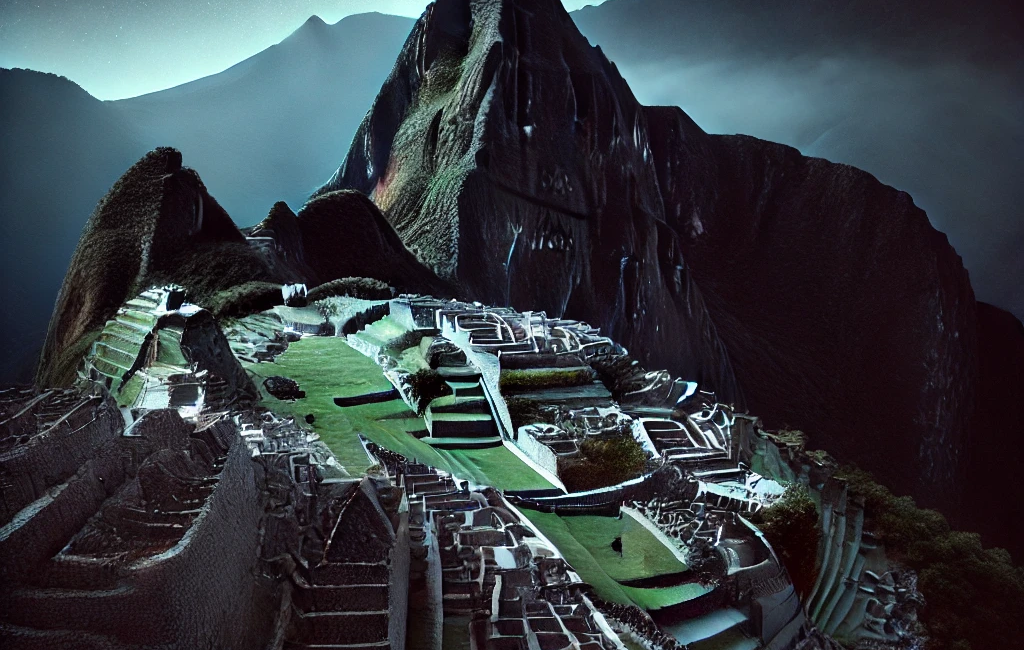
Introduction: The Lost City of the Incas
Perched high in the Andes Mountains of Peru, Machu Picchu stands as a testament to the ingenuity and mystery of the Incan civilization. This 15th-century citadel, rediscovered in 1911 by American explorer Hiram Bingham, has captivated the world with its breathtaking beauty and enigmatic history. In this comprehensive guide, we'll explore the wonders of Machu Picchu, from its rich history to practical tips for your visit.
The History and Mystery of Machu Picchu
Origins and Purpose
Built around 1450 AD, Machu Picchu was constructed at the height of the Incan Empire. While its exact purpose remains a subject of debate among historians and archaeologists, several theories exist:
- Royal Estate: Many believe it served as a palace for the Incan emperor Pachacuti.
- Religious Center: The presence of numerous temples and ritualistic features suggests significant religious importance.
- Administrative Hub: Its strategic location might have made it an important administrative center for the region.
- Agricultural Testing Station: The diverse microclimates and agricultural terraces could have been used to experiment with crop cultivation.
Despite extensive research, Machu Picchu still holds many secrets, adding to its allure for visitors from around the world.
Architectural Marvel
Machu Picchu's construction is a testament to Incan engineering prowess:
- Stone Masonry: The site features precise stonework with blocks fitted so tightly that not even a knife blade can be inserted between them.
- Seismic Design: The structures were built to withstand earthquakes, with stones that "dance" and settle back into place during tremors.
- Hydraulic Engineering: An elaborate system of fountains and channels provides water throughout the site.
- Astronomical Alignments: Many structures align with astronomical events, suggesting advanced knowledge of celestial movements.
Planning Your Visit
Best Times to Visit
Machu Picchu is open year-round, but each season offers a unique experience:
- Dry Season (May to October):
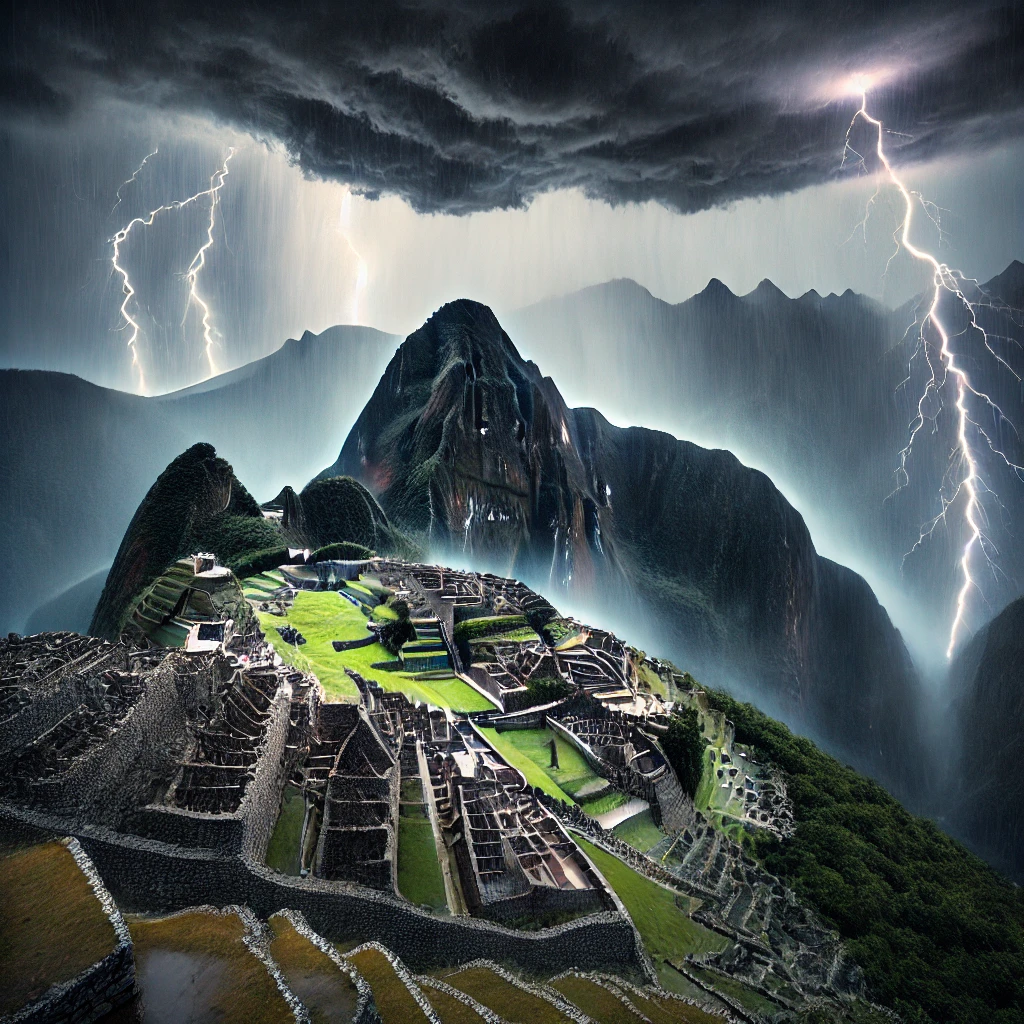
- Pros: Clearer skies, less rain, ideal for photography
- Cons: Peak tourist season, more crowded, higher prices
- Wet Season (November to April):
- Pros: Fewer crowds, lush green landscapes
- Cons: Higher chance of rain and fog, some trails may be slippery
Insider Tip: Consider visiting in the shoulder months of April or November for a balance between good weather and smaller crowds.
Getting There
Reaching Machu Picchu involves a multi-step journey:
- Fly to Cusco: International flights arrive at Jorge Chávez International Airport in Lima. From there, take a domestic flight to Alejandro Velasco Astete International Airport in Cusco.
- Cusco to Ollantaytambo:
- By Car: 1.5-2 hour drive
- By Bus: 2-hour journey, more economical
- Ollantaytambo to Aguas Calientes (Machu Picchu Town):
- Aguas Calientes to Machu Picchu:
- By Bus: 25-minute switchback journey up the mountain
- By Foot: Steep 1.5-2 hour hike for those seeking an extra challenge
Insider Tip: Book your train tickets well in advance, especially during peak season (June-August), as they can sell out quickly.
Tickets and Regulations
Purchasing Tickets
Access to Machu Picchu is strictly controlled to protect the site. Here's what you need to know:
- Tickets must be purchased in advance through the official government website or through a licensed tour operator.
- A limited number of tickets are available each day, divided into morning and afternoon slots.
- Your ticket will have a specific entry time, which you must adhere to.
- Prices vary depending on the areas of the site you wish to access (e.g., main circuit, Huayna Picchu mountain).
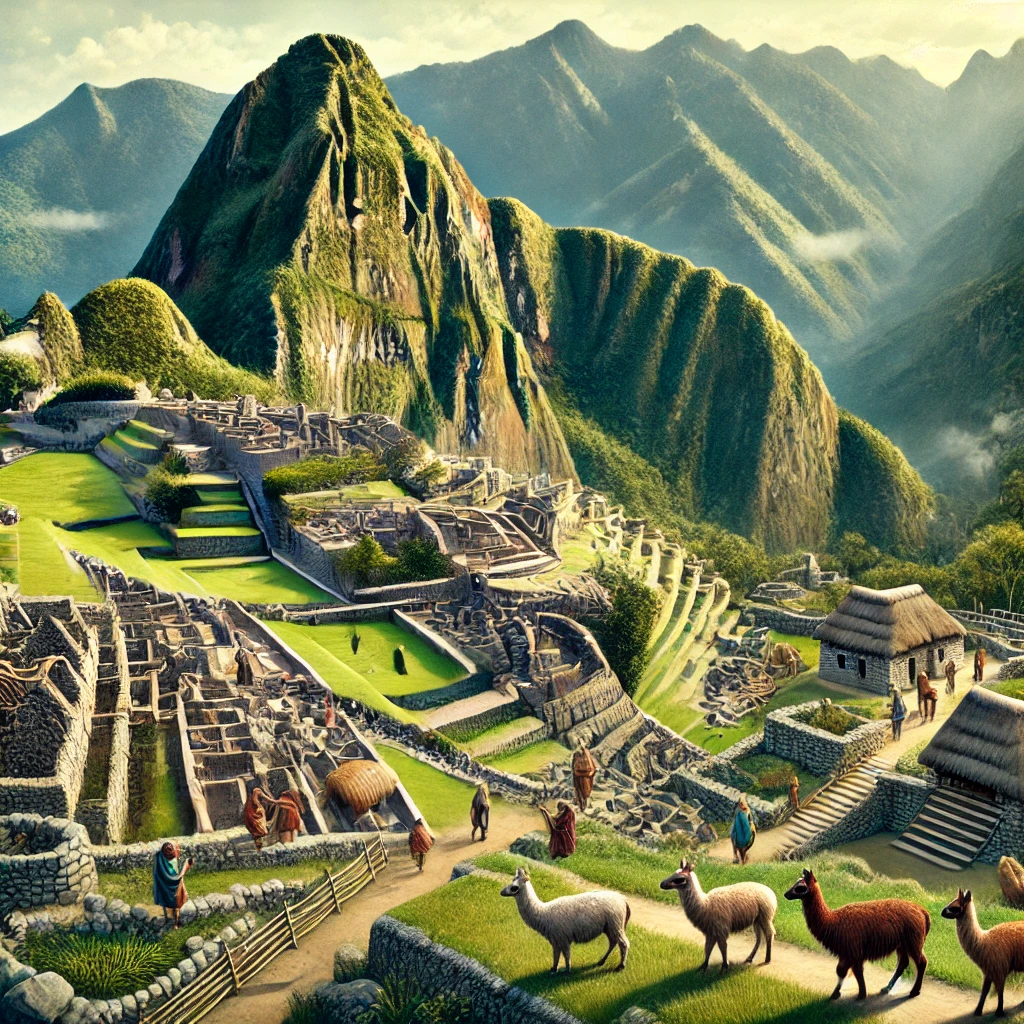
Insider Tip: If you want to climb Huayna Picchu (the mountain behind Machu Picchu in classic photos), book well in advance as only 400 tickets are available daily.
New Regulations (as of 2024)
Recent changes have been implemented to better preserve the site:
- Visitors are now limited to a 4-hour stay within the citadel.
- Re-entry is not permitted on the same ticket.
- Guided tours are mandatory for the first circuit of your visit.
- Certain areas may have additional time restrictions.
Important: Always check the official Machu Picchu website for the most up-to-date regulations before your visit.
Exploring Machu Picchu
Must-See Structures
Machu Picchu is divided into urban and agricultural sectors, with several notable structures:
- Intihuatana Stone: Often called the "Hitching Post of the Sun," this carved rock is thought to have been used as an astronomic clock or calendar.
- Temple of the Sun: This semicircular temple features some of the finest stonework in Machu Picchu.
- Royal Tomb: Located below the Temple of the Sun, this cave-like structure was likely used for mummies and offerings.
- Temple of the Three Windows: Large trapezoidal windows offer stunning views of the surrounding mountains.
- Sacred Plaza: This central square contains some of the most important ceremonial structures.
- Agricultural Terraces: These step-like structures not only provided farming space but also prevented erosion of the mountain slopes.
Insider Tip: Visit the Guard House first thing in the morning for the iconic postcard view of Machu Picchu with fewer crowds.
Hiking Options
For those seeking additional adventure, consider these hikes:
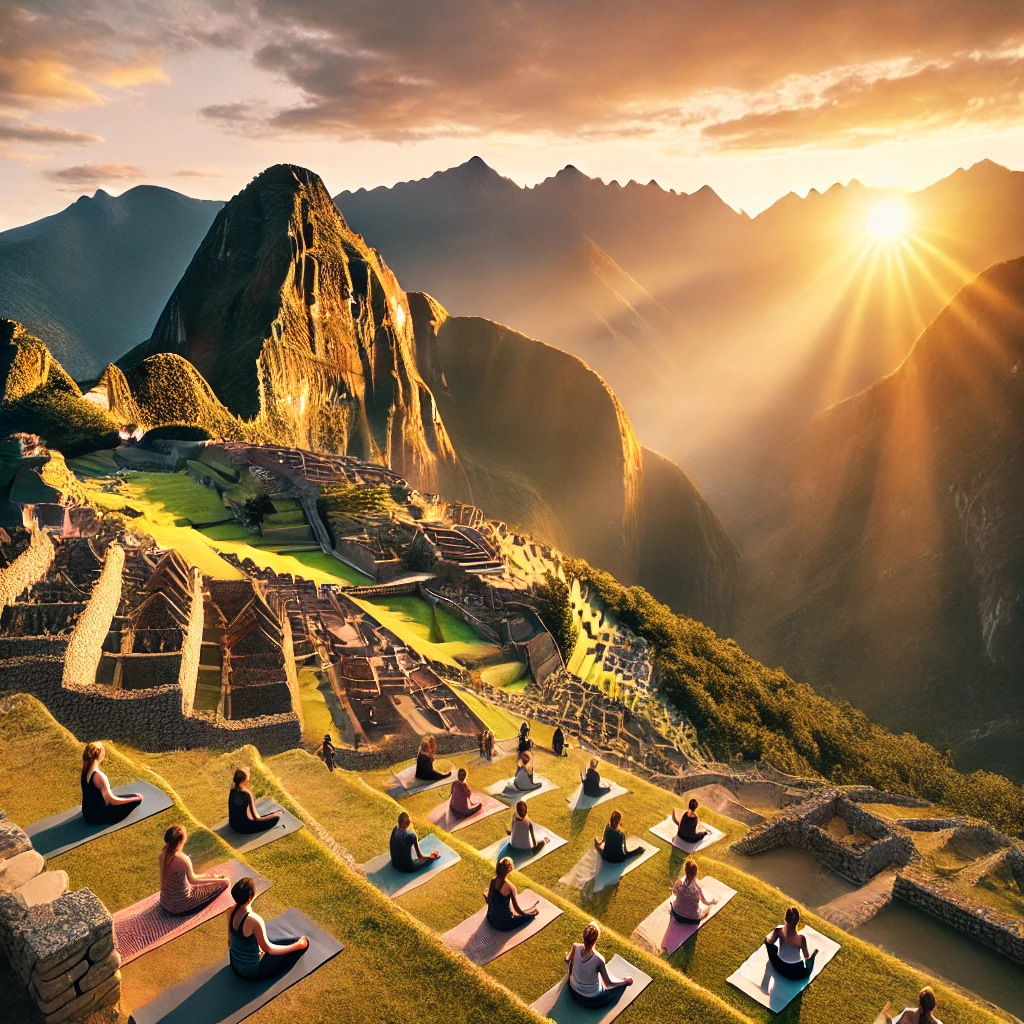
- Huayna Picchu: A steep, sometimes hair-raising climb offering unparalleled views of Machu Picchu from above. Limited to 400 visitors per day.
- Machu Picchu Mountain: A longer but less steep alternative to Huayna Picchu, with equally impressive views.
- Sun Gate (Inti Punku): The traditional end point of the Inca Trail, offering a panoramic view of the entire site.
- Inca Bridge: A short but thrilling hike to a secret entrance of Machu Picchu.
Important: These hikes require separate tickets or permissions. Check availability when booking your main Machu Picchu ticket.
Practical Tips for Your Visit
- Acclimatize: Spend at least 2-3 days in Cusco or the Sacred Valley before visiting to adjust to the high altitude.
- Stay Hydrated: The altitude and sun can be deceptively draining. Bring water (in a reusable bottle).
- Sun Protection: The sun is intense at this altitude. Bring sunscreen, a hat, and sunglasses.
- Wear Layers: Weather can change quickly. Bring a waterproof jacket and layers you can easily add or remove.
- Comfortable Footwear: Wear sturdy shoes with good traction for uneven stone paths and steps.
- Bring Snacks: There's no food allowed inside the citadel, but you can bring small snacks to eat in designated areas.
- Hire a Guide: A knowledgeable guide can greatly enhance your understanding of the site. Book in advance or hire one at the entrance.
Where to Stay
You have several options for accommodation when visiting Machu Picchu:
Aguas Calientes (Machu Picchu Town)
- Belmond Sanctuary Lodge: The only hotel located at the entrance to Machu Picchu. Luxury option with unparalleled access.
- Inkaterra Machu Picchu Pueblo Hotel: Luxury eco-lodge set in cloud forest gardens.
- Casa del Sol Machu Picchu: Mid-range option with river views and convenient location.
Sacred Valley
- Explora Valle Sagrado: Luxury all-inclusive resort with its own Machu Picchu programs.
- Taypikala Valle Sagrado: Mid-range option with beautiful valley views.
Insider Tip: Staying in Aguas Calientes allows for early morning access to Machu Picchu, but the Sacred Valley offers a more relaxed atmosphere and the chance to explore other Incan sites.
Beyond Machu Picchu
While Machu Picchu is the star attraction, the surrounding region offers many other incredible experiences:
- Cusco: The historic capital of the Incan Empire, filled with colonial architecture and Incan ruins.
- Sacred Valley: Visit other important Incan sites like Ollantaytambo and Pisac.
- Rainbow Mountain: A colorful, striped mountain formation accessible on a challenging day trip from Cusco.
- Inca Trail: For the adventurous, this 4-day trek is the traditional way to reach Machu Picchu.
Cultural and Environmental Considerations
Machu Picchu is not just a tourist site, but a place of great cultural significance and ecological sensitivity:
- Respect the site by not touching or climbing on the ancient structures.
- Stay on designated paths to prevent erosion and damage to fragile areas.
- Learn about Incan culture and history to gain a deeper appreciation of the site.
- Consider visiting some of the less-known Incan sites to reduce pressure on Machu Picchu.
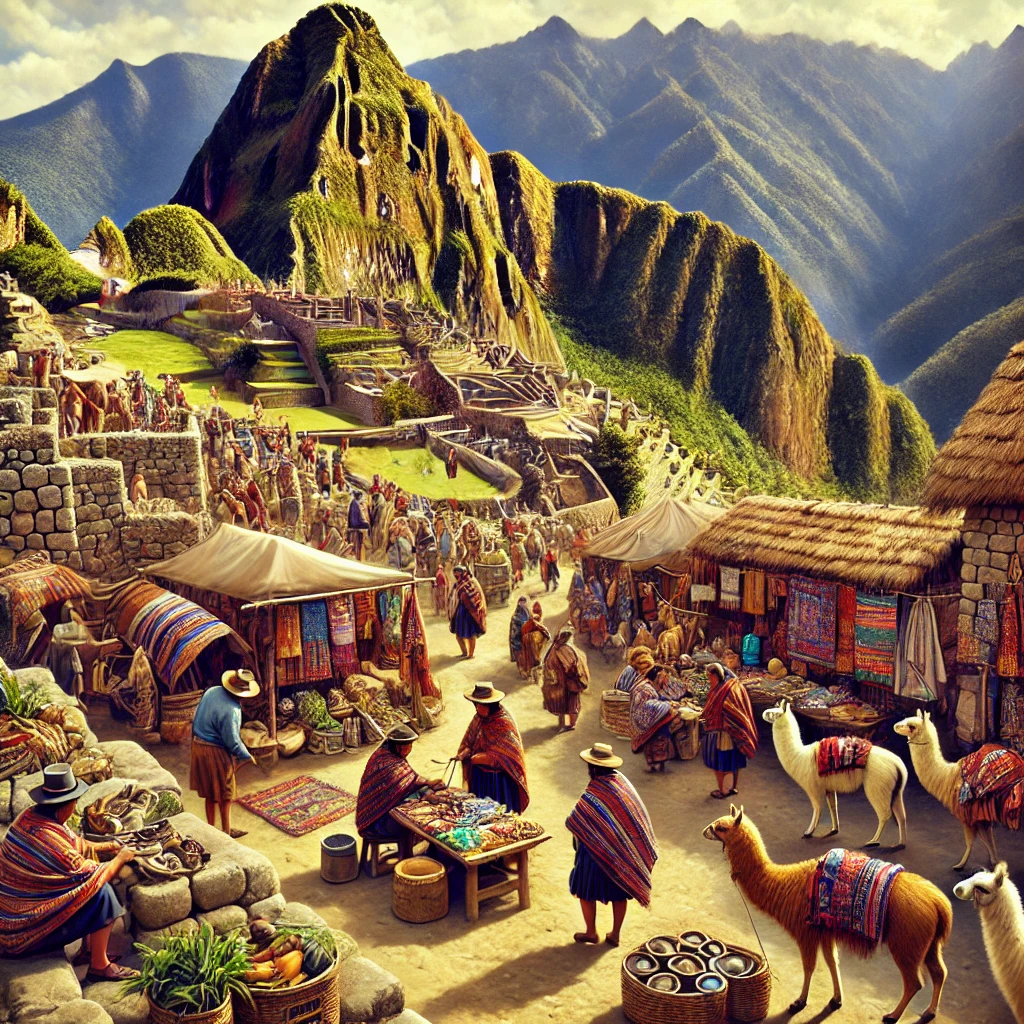
- Support local communities by purchasing authentic, locally-made crafts and using local guides.
Conclusion
Machu Picchu is more than just an archaeological wonder; it's a journey into the heart of Incan civilization and a testament to human ingenuity. Whether you're marveling at the precision stonework, hiking to breathtaking vistas, or simply soaking in the mystical atmosphere, a visit to Machu Picchu is sure to be a once-in-a-lifetime experience.
Join the Conversation
Have you visited Machu Picchu? Planning a trip? Share your experiences, tips, or questions in our South American adventures forum. Your insights could be invaluable to fellow travelers!
And don't forget to share your Machu Picchu photos on our community blog. Your snapshots might just inspire someone else's journey to this incredible wonder of the world!
Remember, at Travel Trail, we believe that the best adventures are shared. So let's keep exploring, learning, and growing – together.

 (No votes yet)
 Loading...