
Introduction: A Biological Wonder in the Arabian Sea
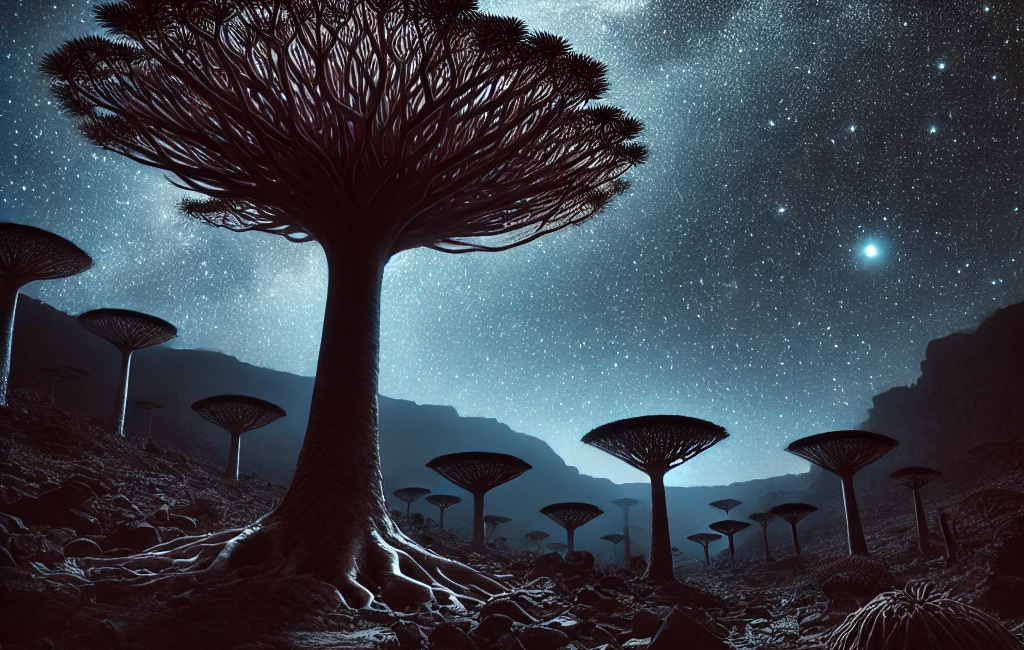
Imagine a place where dragon blood trees with umbrella-shaped canopies dot the landscape, where pink-tinged beaches meet crystal-clear waters, and where one-third of the plant life exists nowhere else on Earth.
Welcome to Socotra, an otherworldly island that seems more like a distant planet than a part of our own. In this comprehensive guide, we'll explore the unique wonders of Socotra Island, from its bizarre flora to its pristine beaches, and provide you with all the information you need to plan an unforgettable adventure to this UNESCO World Heritage Site.
Understanding Socotra: Geography and Biodiversity
Location and Geography
Socotra is the largest island in the Socotra Archipelago, located in the Arabian Sea, about 380 kilometers (240 miles) south of the Arabian Peninsula. Politically, it is part of Yemen, despite being closer to the Horn of Africa. The island's key geographic features include:
- Area: Approximately 3,796 square kilometers (1,466 square miles)
- Terrain: A mix of coastal plains, limestone plateaus, and the Haghier Mountains
- Coastline: 290 kilometers (180 miles) of mostly undeveloped beaches
Unique Biodiversity
Socotra's isolation has led to the evolution of a unique and diverse ecosystem:
- 37% of its plant species are found nowhere else on Earth
- 90% of its reptile species are endemic
- 95% of its land snail species are unique to the island
Some of the most iconic species include:
- Dragon Blood Tree (Dracaena cinnabari): Known for its distinctive umbrella shape and red sap.
- Cucumber Tree (Dendrosicyos socotranus): The only tree-like species in the cucumber family.
- Socotra Cormorant: A large, black seabird endemic to the region.
- Socotra Sunbird: A small, colorful bird found only on the island.
Planning Your Visit
Best Times to Visit
Socotra has a tropical desert climate, with distinct seasons:
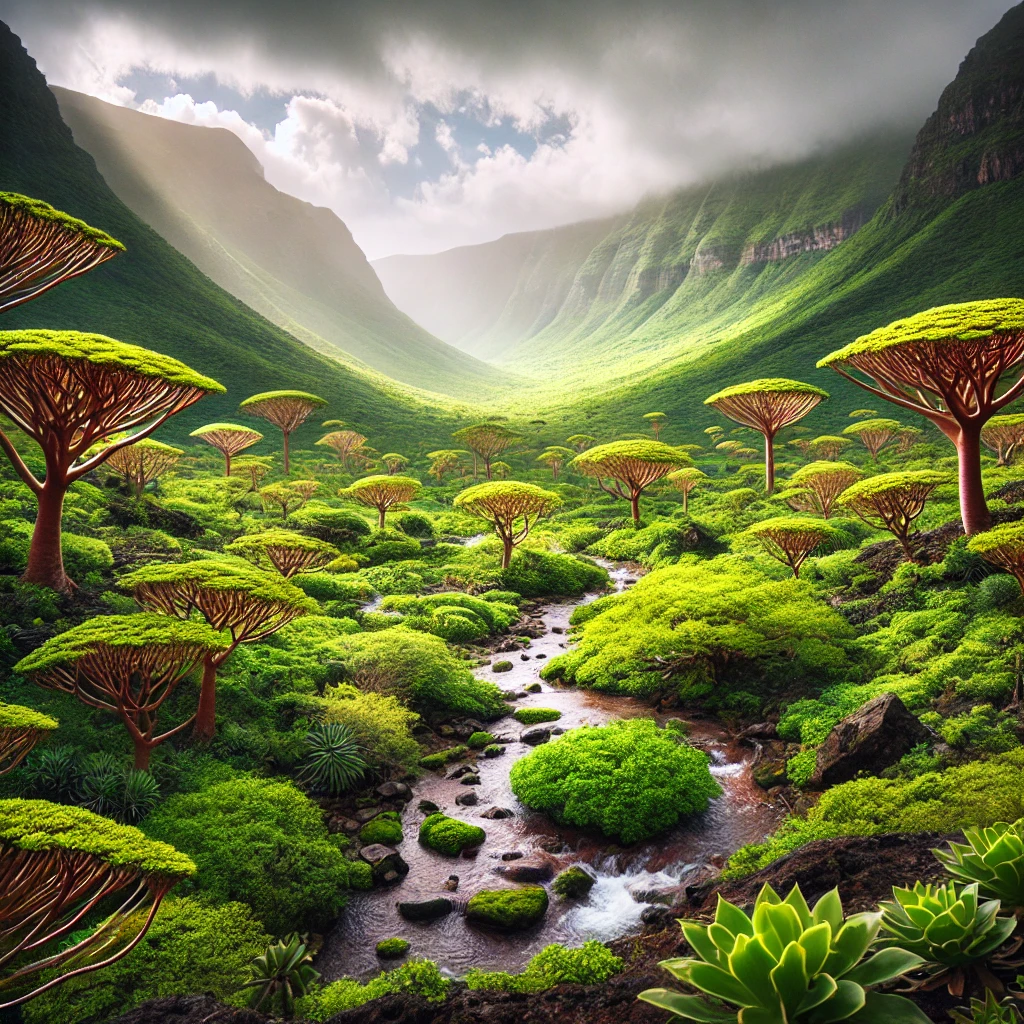
- October to April: The best time to visit, with milder temperatures and less wind.
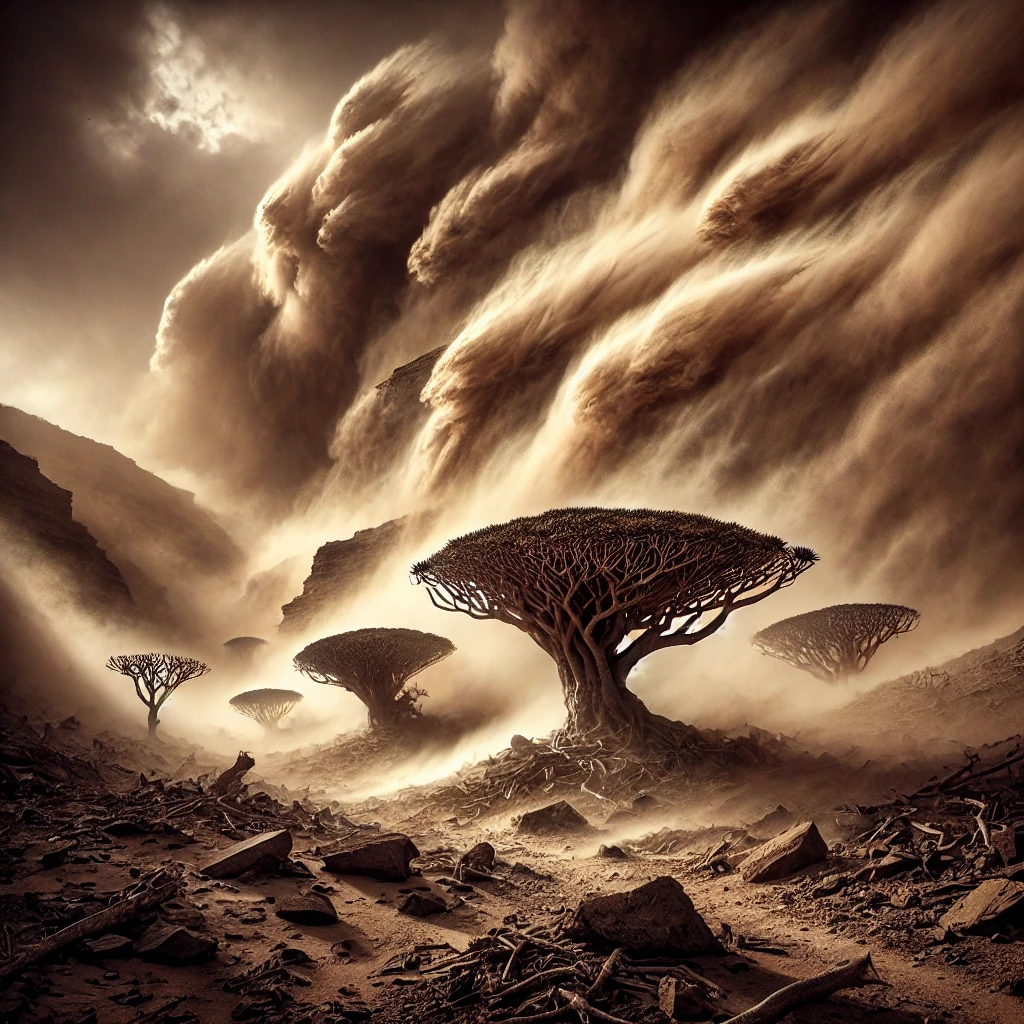
- May to September: Hot and windy, with potential for sandstorms. Travel can be challenging during this period.
Insider Tip: The period from February to April is ideal, offering the best weather for exploring and the chance to see the island in bloom.
Getting There
Reaching Socotra can be challenging due to its remote location and the political situation in Yemen. However, it's not impossible:
- Flights:
- As of 2024, the most reliable route is via Abu Dhabi with Air Arabia.
- Flights typically operate once a week.
- Check with specialized tour operators for the most up-to-date flight information.
- Visas:
- Visitors need a Yemeni visa, which can be arranged through tour operators.
- The visa process can take several weeks, so plan well in advance.
- Tour Operators:
- Socotra Eco-Tours: Specializes in sustainable tourism on the island.
- Inertia Network: Offers adventure tours to Socotra and other off-the-beaten-path destinations.
Important Note: Due to the ongoing conflict in mainland Yemen, it's crucial to check travel advisories and work with reputable tour operators who can ensure your safety and handle logistics.
Exploring Socotra
Must-See Natural Wonders
- Diksam Plateau:
- Home to the largest concentration of Dragon Blood Trees
- Offers stunning views of the Haghier Mountains
- Best visited early morning for spectacular photographs
- Homhil Protected Area:
- Features a natural infinity pool with views of the Arabian Sea
- Home to various endemic plant species, including the Bottle Tree
- Excellent for hiking and bird watching
- Detwah Lagoon:
- A beautiful sandy lagoon on the northwest coast
- Perfect for swimming, kayaking, and observing marine life
- Surrounded by white sand dunes
- Hoq Cave:
- One of the largest caves on the island, stretching nearly 3 kilometers
- Contains ancient inscriptions and stalagmite formations
- Requires a guided tour due to its size and complexity
Insider Tip: While the Dragon Blood Trees are the most famous, don't overlook the other unique plant species. The Bottle Trees and Desert Roses are equally fascinating and photogenic.
Beaches and Coastal Areas
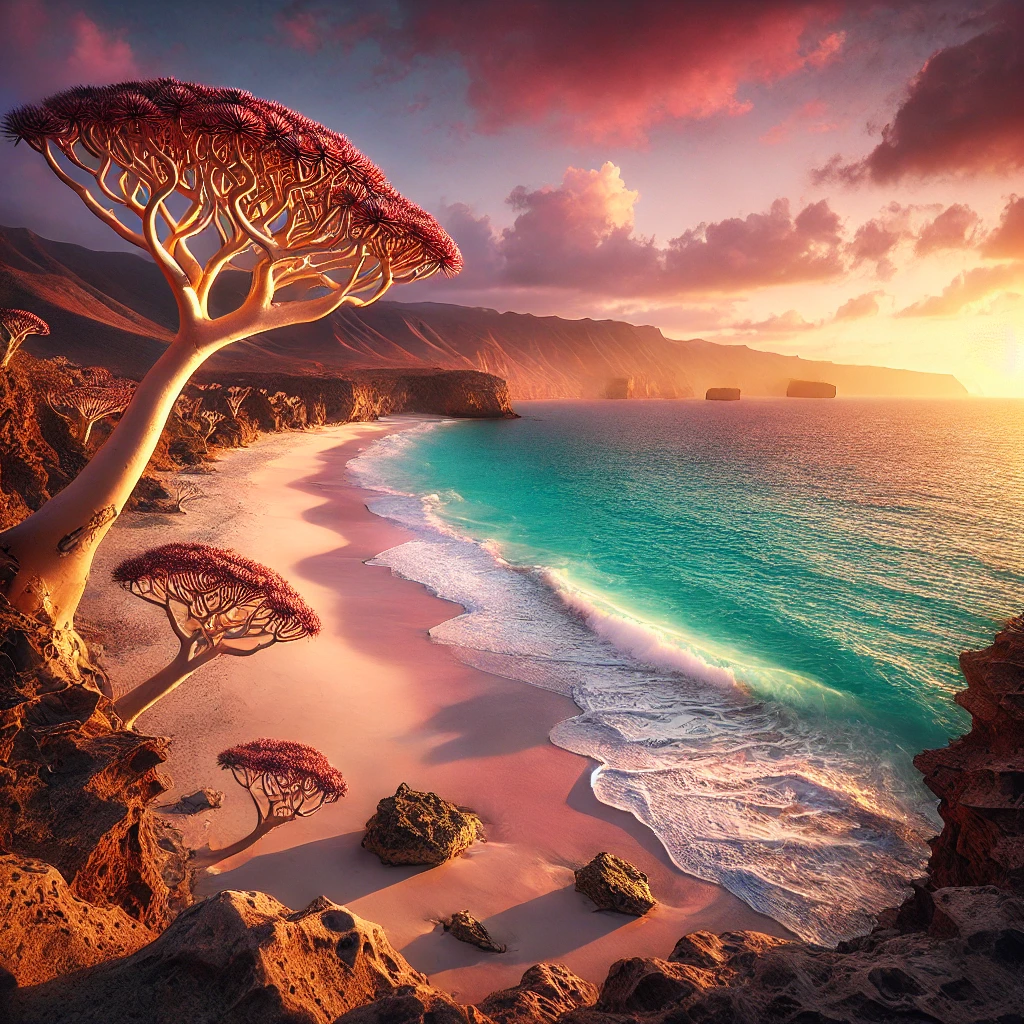
Socotra boasts some of the most pristine and unique beaches in the world:
- Qalansiya Beach:
- One of the most beautiful beaches on the island
- Known for its clear turquoise waters and white sand
- Great for swimming and snorkeling
- Arher Beach:
- Features massive sand dunes that meet the sea
- Home to a freshwater spring that creates a unique landscape
- Perfect for sandboarding and picnics
- Shuab Beach:
- A remote beach accessible only by boat
- Known for its mangrove forests and diverse marine life
- Ideal for birdwatching and spotting sea turtles
Insider Tip: While swimming and snorkeling are popular, be aware of strong currents in some areas. Always check with local guides about safe swimming spots.
Practical Tips for Your Visit
- Accommodation: Options are limited and basic. Most visitors stay in simple guesthouses or camp.
- Transportation: 4x4 vehicles are essential for exploring the island. Most tours include transportation.
- Electricity: Power supply can be inconsistent. Bring a portable charger for your devices.
- Water: Bring a reusable water bottle. Bottled water is available, but minimizing plastic use is crucial for the island's ecosystem.
- Clothing: Dress modestly out of respect for local culture. Bring layers as temperatures can vary.
- Photography: Bring extra batteries and memory cards. Charging opportunities may be limited.
- Health: There are limited medical facilities on the island. Bring any necessary medications and a basic first-aid kit.
Cultural Considerations
While Socotra is known for its natural wonders, it's also home to a unique culture:
- The local language, Socotri, is spoken nowhere else in the world.
- Many inhabitants maintain a traditional lifestyle, including nomadic herding.
- Respect local customs by asking permission before taking photos of people.
- The island has a rich history of traditional medicine using endemic plants.
Insider Tip: Take time to interact with local communities. Many are happy to share their knowledge of the island's unique ecosystem and traditional ways of life.
Environmental Considerations
Socotra's unique ecosystem is fragile and faces several challenges:
- Climate change is affecting the island's weather patterns and plant life.
- Overgrazing by introduced species like goats threatens some plant populations.
- Increased tourism, if not managed sustainably, could harm the ecosystem.
As a visitor, you can help by:
- Following Leave No Trace principles
- Using eco-friendly tour operators
- Avoiding buying souvenirs made from endangered species
- Supporting local conservation efforts
Adventure Activities
For the adventurous traveler, Socotra offers several exciting activities:
- Hiking: Explore the Haghier Mountains or trek through the Homhil Protected Area.
- Caving: Visit Hoq Cave or explore smaller caves around the island.
- Snorkeling and Diving: Discover the vibrant marine life in the Arabian Sea.
- Sandboarding: Try sandboarding on the dunes at Arher Beach.
- Stargazing: With minimal light pollution, Socotra offers incredible night skies.
Insider Tip: Many of these activities require guides. Book through reputable tour operators to ensure safety and minimize environmental impact.
Photography Tips
Socotra is a photographer's paradise. Here are some tips to capture its beauty:
- Bring a wide-angle lens to capture the unique landscapes.
- Use a polarizing filter to enhance the blue skies and turquoise waters.
- Dawn and dusk offer the best light for photographing Dragon Blood Trees.
- Include people or familiar objects in shots to provide scale to the alien-like landscapes.
- Protect your gear from sand and salt spray with appropriate covers.
Conclusion
Socotra Island is truly a place like no other on Earth. Its unique flora, pristine beaches, and rich cultural heritage offer an unparalleled experience for the adventurous traveler. While getting there requires effort and careful planning, the rewards of visiting this "Galapagos of the Indian Ocean" are immeasurable.
As you plan your journey to this remarkable island, remember that responsible tourism is key to preserving Socotra's delicate ecosystem for future generations. Tread lightly, respect the local culture, and prepare to be amazed by one of the most unique destinations on our planet.
Join the Conversation
Have you visited Socotra Island? Planning a trip? Share your experiences, tips, or questions in our Off-the-Beaten-Path adventures forum. Your insights could be invaluable to fellow travelers!
And don't forget to share your Socotra photos on our community blog. Your snapshots might just inspire someone else's journey to this incredible alien landscape!
Remember, at Travel Trail, we believe that the best adventures are shared. So let's keep exploring, learning, and growing – together.

 (No votes yet)
 Loading...