
Introduction: The Magic of the Aurora
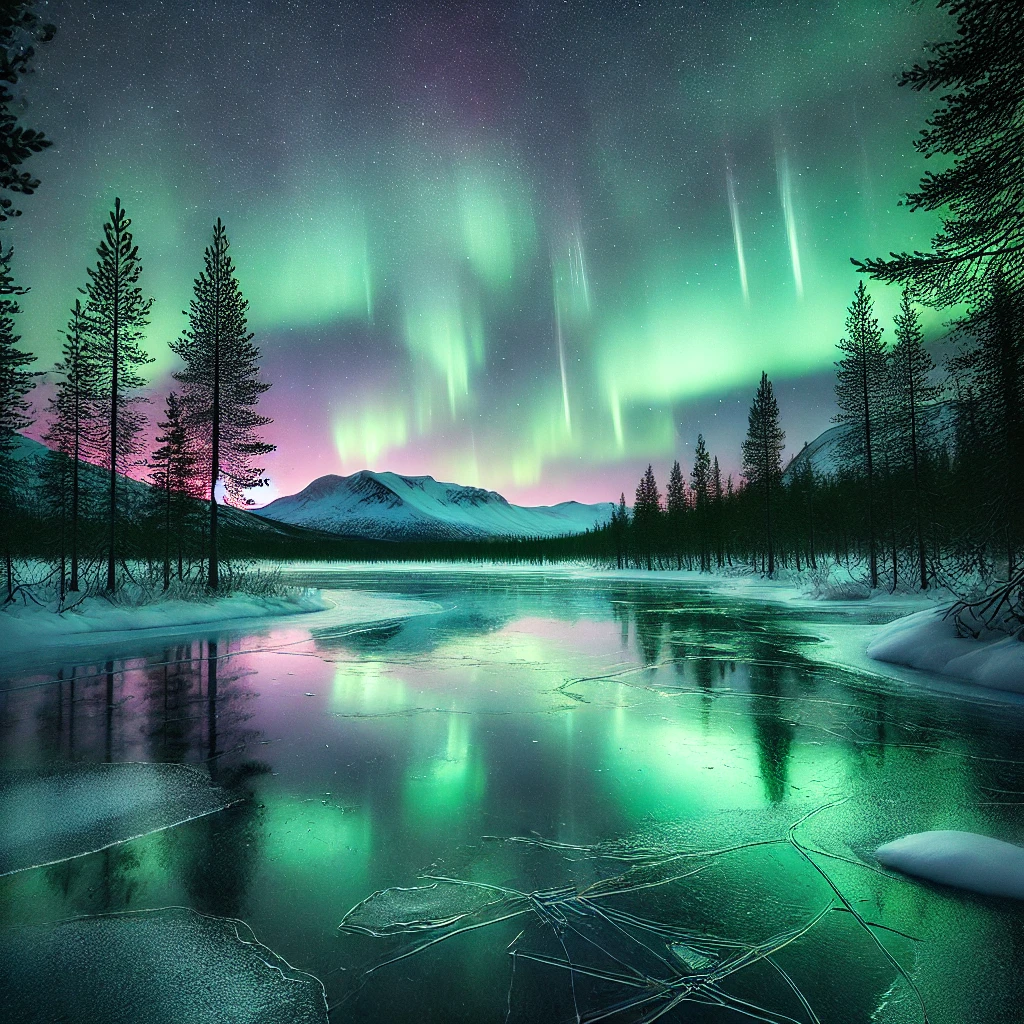
Imagine standing beneath a star-filled sky, when suddenly, curtains of green, pink, and purple light begin to dance overhead.
This ethereal display, known as the Northern Lights or Aurora Borealis, has captivated humans for millennia, inspiring myths, legends, and a sense of wonder that persists to this day.
In this comprehensive guide, we'll delve into the science behind this spectacular phenomenon, explore the best places to witness it, and provide you with all the information you need to plan your own aurora adventure.
Understanding the Northern Lights
The Science Behind the Magic
The Northern Lights are more than just a beautiful display; they're the result of complex interactions between our planet and the sun. Here's a breakdown of how they occur:
- Solar Wind: The sun constantly emits a stream of charged particles, primarily electrons and protons, known as the solar wind.
- Earth's Magnetic Field: Our planet's magnetic field usually deflects these particles, but some become trapped in the magnetosphere.
- Collision with Atmosphere: These trapped particles are funneled towards the polar regions, where they collide with atoms and molecules in Earth's upper atmosphere, primarily oxygen and nitrogen.
- Energy Release: The collisions cause the atoms to become excited and release energy in the form of light.
- Color Variations: Different gases produce different colors:
- Oxygen produces green (the most common color) and red auroras
- Nitrogen creates blue and purple hues
Interestingly, the shapes and movements of the auroras are influenced by the Earth's magnetic field lines, which is why they often appear as curtains or ribbons of light.
Aurora Myths and Legends
Long before the scientific explanation was known, various cultures developed their own interpretations of the Northern Lights:
- Norse Mythology: The lights were believed to be reflections from the shields and armor of the Valkyries, female warriors who chose who would die in battle and who would live.
- Finnish Folklore: The Finnish word for the Northern Lights, "revontulet," translates to "fox fires." Legend has it that Arctic foxes created the auroras by sweeping their tails across the snow, sending sparks into the sky.
- Inuit Beliefs: Some Inuit peoples believed the lights were the spirits of their ancestors playing ball with a walrus skull in the sky.
- Sami Tradition: The indigenous Sami people of northern Scandinavia traditionally believed it was disrespectful to talk about the Northern Lights, which were thought to be the energies of the dead.
When and Where to See the Northern Lights
Best Times for Viewing
While the Northern Lights occur year-round, they're only visible under certain conditions:
- Season: The best time is typically from late August to mid-April when the nights are longest.
- Time of Night: Auroras are most commonly seen between 10 PM and 2 AM local time.
- Solar Cycle: Aurora activity is influenced by the sun's 11-year cycle of solar activity. The next peak is expected around 2025.
Insider Tip: Plan your trip around the new moon for darker skies, and aim for at least a 3-4 night stay to increase your chances of clear weather.
The Auroral Zone
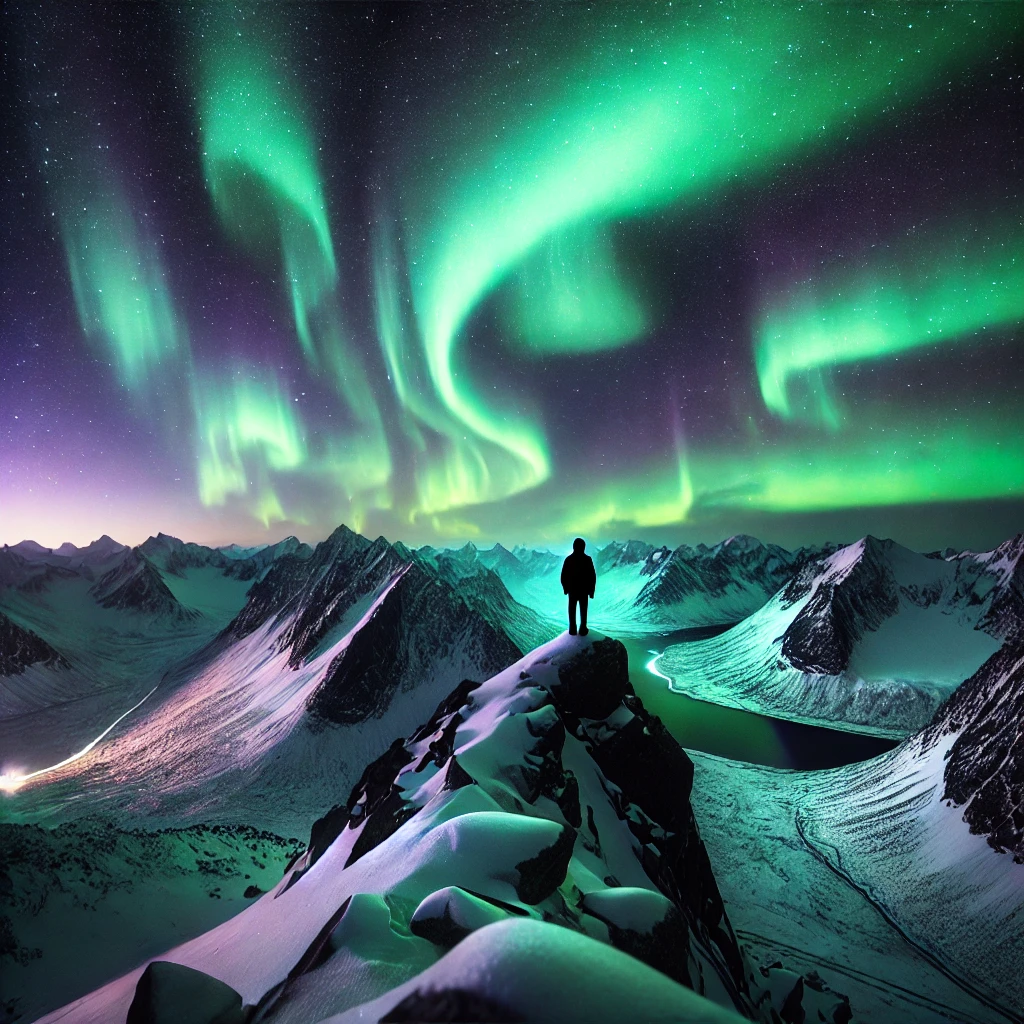
The Northern Lights are most commonly seen in the "auroral zone," a ring-shaped region around the Earth's magnetic poles.
This zone typically falls between 60 and 75 degrees north latitude, but strong auroras can sometimes be seen at lower latitudes.
Top Destinations for Aurora Viewing
1. Tromsø, Norway
Often called the "Paris of the North," Tromsø offers a perfect blend of culture and nature, making it one of the best places in the world to see the Northern Lights.
- Best Time to Visit: September to March
- Pros:
- Located in the heart of the auroral zone
- Modern city amenities combined with easy access to nature
- Variety of aurora-viewing tours available
- Cons: Can be expensive, especially during peak season
- How to Get There: Fly to Tromsø Airport (TOS) via Oslo
- Recommended Tour: Tromsø Arctic Reindeer Northern Lights Tour combines aurora viewing with Sami culture experiences
- Insider Tip: Visit during the Tromsø International Film Festival in January for a unique cultural experience alongside aurora viewing
2. Fairbanks, Alaska, USA
Fairbanks is ideally situated under the "auroral oval," where aurora activity is concentrated. Its inland location also means clearer skies than coastal areas.
- Best Time to Visit: Late August to mid-April
- Pros:
- High chance of aurora sightings (80% if you stay for 3 nights)
- Variety of winter activities available
- Chena Hot Springs nearby for a unique viewing experience
- Cons: Very cold in winter, limited daylight in deep winter
- How to Get There: Fly to Fairbanks International Airport (FAI)
- Recommended Tour: Face The Outdoors Aurora Viewing Lodge Tours offers photography-focused tours
- Insider Tip: Visit the University of Alaska Fairbanks' Geophysical Institute for aurora forecasts and scientific information
3. Yellowknife, Northwest Territories, Canada
With its flat landscape and clear skies, Yellowknife offers nearly 250 viewing nights per year.
- Best Time to Visit: Mid-August to late April
- Pros:
- One of the highest chances of seeing the aurora in the world
- Variety of viewing locations, from city to wilderness
- Opportunity to see auroras reflected in the many lakes
- Cons: Remote location, can be very cold in winter
- How to Get There: Fly to Yellowknife Airport (YZF)
- Recommended Tour: Aurora Village offers heated teepee viewing
- Insider Tip: Visit during the SnowKing Winter Festival in March for unique ice castle viewing opportunities
4. Reykjavik, Iceland
While the lights can be seen from the city, the best views are found in the surrounding countryside.
- Best Time to Visit: September to April
- Pros:
- Relatively mild temperatures compared to other aurora destinations
- Unique landscapes for aurora viewing (black sand beaches, glaciers)
- Easy to combine with other natural attractions like geysers and waterfalls
- Cons: Weather can be unpredictable, high tourist numbers in peak season
- How to Get There: Fly to Keflavík International Airport (KEF)
- Recommended Tour: Superjeep Northern Lights Hunt for off-road aurora chasing
- Insider Tip: Consider staying at the Ion Adventure Hotel, which has a Northern Lights bar with panoramic views
5. Abisko, Sweden
Abisko is known for its "blue hole," a patch of sky that tends to stay clear even when surrounding areas are cloudy.
- Best Time to Visit: October to March
- Pros:
- One of the driest areas in the auroral zone, increasing chances of clear skies
- Aurora Sky Station offers chairlift rides for elevated viewing
- Opportunity to combine with a stay at the ICEHOTEL
- Cons: Limited accommodation options, can be very cold
- How to Get There: Train or flight to Kiruna, then train or bus to Abisko
- Recommended Experience: Aurora Sky Station for a unique elevated viewing experience
- Insider Tip: Take a day trip to Narvik, Norway, for fjord views and a chance to see auroras over water
Planning Your Northern Lights Adventure
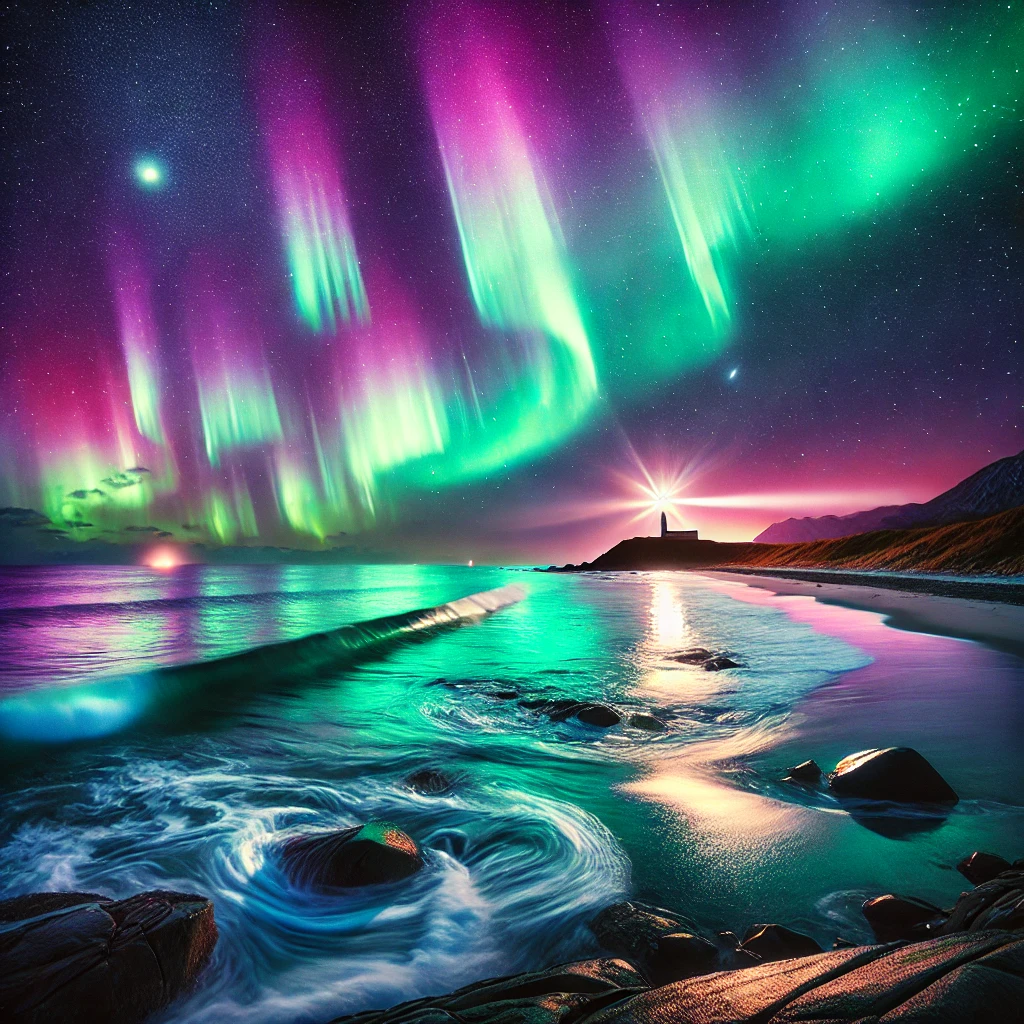
Best Practices for Viewing
- Check the Forecast: Use aurora forecast tools like Space Weather Live or NOAA's Aurora Forecast to plan your viewing nights.
- Avoid Light Pollution: Get away from city lights for the best views. Many tours will take you to dark sky areas.
- Be Patient: The lights can be unpredictable. Be prepared to wait and watch for extended periods.
- Dress Warmly: Arctic nights are cold. Dress in layers and bring hand warmers.
- Give Your Eyes Time: It takes about 20-30 minutes for your eyes to fully adjust to the darkness.
- Stay Alert: Auroras can appear suddenly. Many hotels offer "aurora wake-up calls" if activity is spotted.
Photography Tips
Capturing the Northern Lights can be challenging but rewarding. Here are some tips:
- Equipment:
- DSLR or mirrorless camera with manual settings
- Wide-angle lens with a fast aperture (f/2.8 or wider)
- Sturdy tripod
- Remote shutter release or self-timer
- Extra batteries (cold drains them quickly)
- Camera Settings:
- ISO: Start at 1600 and adjust as needed
- Aperture: As wide as your lens allows (f/2.8 or wider)
- Shutter Speed: Start with 15 seconds and adjust based on aurora activity
- Focus: Manual focus set to infinity
- Composition: Include foreground elements (trees, mountains, etc.) for scale and interest.
- Insider Tip: Bring a headlamp with a red light to preserve your night vision while adjusting camera settings.
Beyond the Lights: Arctic Activities
While the Northern Lights are the main attraction, the Arctic regions offer many other unique experiences:
- Dog Sledding: Experience the thrill of mushing through snowy landscapes. Many operators offer tours ranging from a few hours to multi-day expeditions.
- Ice Hotels: Stay in a hotel made entirely of ice and snow, like the ICEHOTEL in Sweden or the Hôtel de Glace in Quebec.
- Arctic Wildlife: Go on safaris to spot polar bears, reindeer, arctic foxes, and whales in their natural habitats.
- Indigenous Culture: Learn about Sami culture in Scandinavia or Inuit traditions in North America. Many tours offer authentic cultural experiences.
- Winter Sports: Try skiing, snowboarding, or snowshoeing in pristine Arctic environments.
- Glacier Hiking: In places like Iceland, you can hike on ancient glaciers for a truly unique experience.
- Arctic Cruises: Combine aurora viewing with exploring fjords and Arctic landscapes from the water.
Environmental and Cultural Considerations
The Arctic regions where the Northern Lights are visible are some of the most vulnerable to climate change. As responsible travelers, we can help preserve these pristine environments:
- Choose Eco-Friendly Operators: Look for tour companies and accommodations that prioritize sustainability.
- Practice Leave No Trace: When in nature, follow Leave No Trace principles to minimize your impact.
- Support Local Communities: Choose locally-owned businesses and respect indigenous cultures and traditions.
- Reduce Emissions: Consider carbon offsetting for your flights and choose low-emission transportation options when possible.
- Educate Yourself: Learn about the Arctic ecosystem and the challenges it faces. Knowledgeable travelers can be powerful advocates for conservation.
Conclusion: Chasing the Lights
Witnessing the Northern Lights is a bucket-list experience that combines natural wonder, scientific marvel, and often, a profound sense of our place in the universe.
While seeing the auroras requires some planning, patience, and a bit of luck, the memories of watching those ethereal lights dance across the sky will last a lifetime.
Remember, the journey to see the Northern Lights is as much a part of the experience as the lights themselves. Embrace the unique cultures, landscapes, and adventures of the Arctic regions, and you'll come away with far more than just aurora photographs.
Join the Conversation
Have you seen the Northern Lights? Planning an aurora-chasing trip? We'd love to hear about your experiences or answer any questions you might have. Share your stories, tips, or concerns in our Arctic adventures forum.
And if you've managed to capture the magic of the auroras in photos or video, don't keep them to yourself! Share them on our community blog – you might just inspire someone else's journey to the land of the Northern Lights.
Remember, at Travel Trail, we believe that the best adventures are shared. So let's keep exploring, learning, and growing – together.

 (No votes yet)
 Loading...