
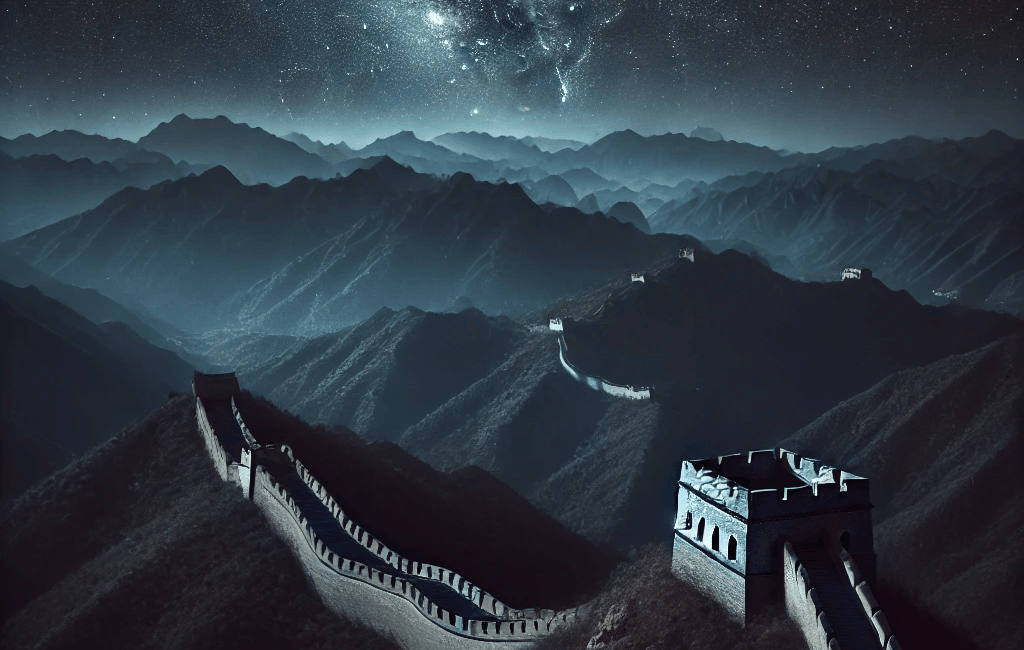
Introduction: A Monument of Human Perseverance
Stretching over 13,000 miles (21,000 kilometers) across the undulating landscapes of northern China, the Great Wall stands as a testament to human ingenuity, determination, and the relentless pursuit of security. This architectural marvel, visible even from space, is not just a wall but a complex network of fortifications that has captured the imagination of people worldwide for centuries. In this comprehensive guide, we'll explore the history, significance, and practicalities of visiting this iconic UNESCO World Heritage site.
The Rich History of the Great Wall
A Timeline of Construction
Contrary to popular belief, the Great Wall wasn't built all at once, but over many centuries by various Chinese dynasties:
- 7th Century BC: The earliest walls were built by independent states to protect against nomadic invasions.
- 221-206 BC: The Qin Dynasty connected and fortified existing walls to create a unified defense system.
- Han Dynasty (202 BC - 220 AD): Extended the wall westward to protect Silk Road trade.
- Ming Dynasty (1368-1644): Conducted the most extensive building, creating much of what we see today.
Purpose and Significance
The Great Wall served multiple purposes throughout its long history:
- Military Defense: Its primary purpose was to protect Chinese states and empires from nomadic invasions.
- Border Control: It regulated trade and controlled immigration and emigration.
- Transportation Corridor: The wall facilitated the transport of people and goods across vast distances.
- Symbol of Power: It demonstrated the strength and organizational capabilities of Chinese civilization.
Planning Your Visit
Best Times to Visit
The Great Wall can be visited year-round, but each season offers a unique experience:
- Spring (April-May):
- Pros: Mild weather, beautiful blooming landscapes
- Cons: Can be crowded during public holidays
- Summer (June-August):
- Pros: Long daylight hours, lush green surroundings
- Cons: Hot temperatures, peak tourist season, possibility of rain
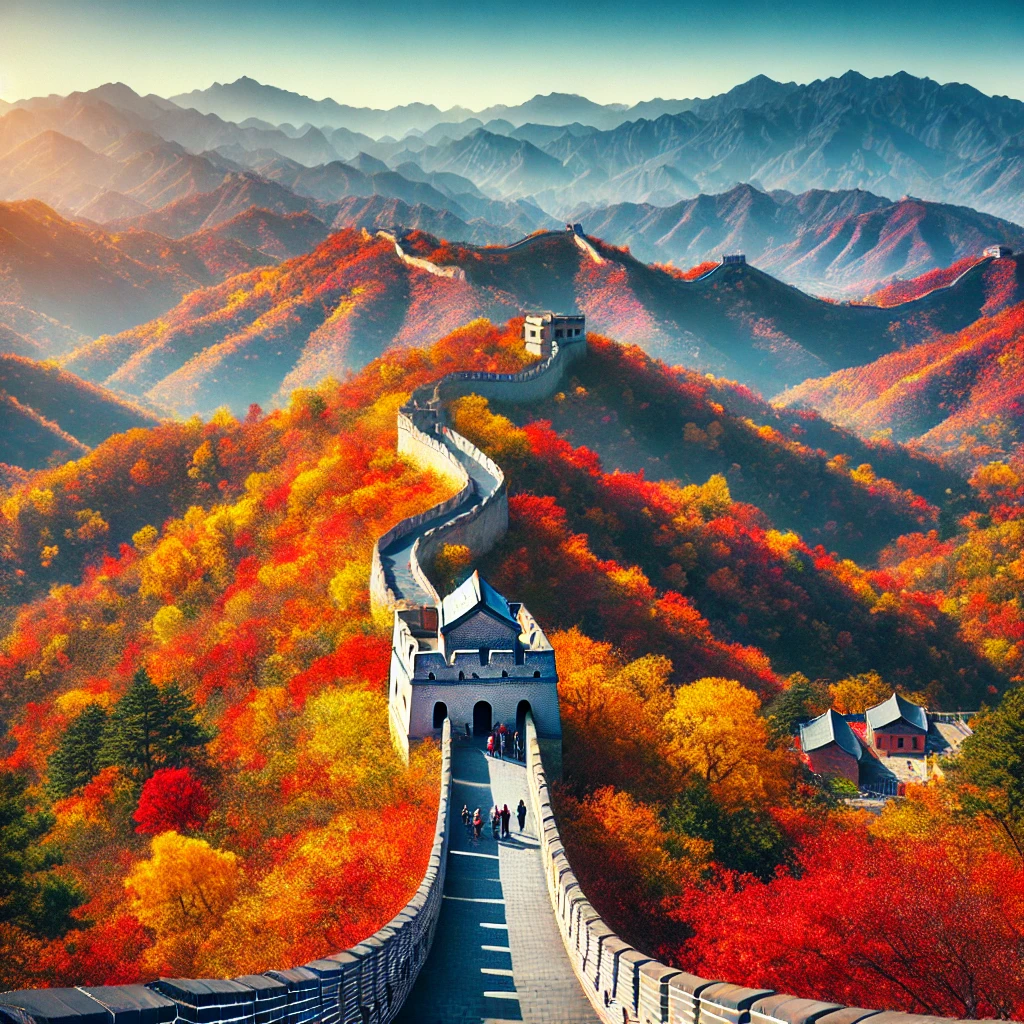
- Autumn (September-November):
- Pros: Comfortable temperatures, stunning fall colors
- Cons: Crowded during National Day holiday (first week of October)
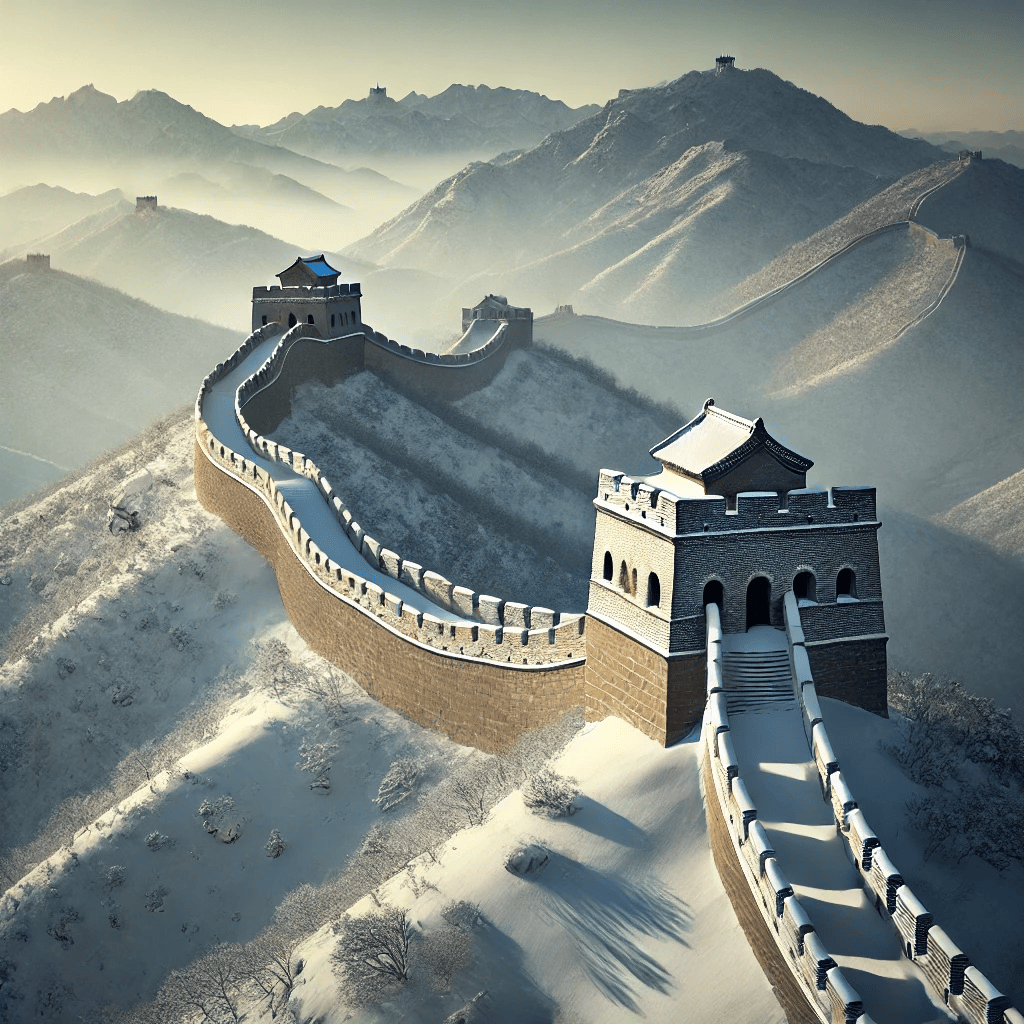
- Winter (December-March):
- Pros: Snow-covered landscapes, fewer tourists
- Cons: Cold temperatures, some sections may be closed
Insider Tip: Early autumn, particularly late September to early October (avoiding the National Day holiday), offers the best combination of comfortable weather and beautiful scenery.
Getting There
The Great Wall stretches across several provinces, but the most visited sections are near Beijing. Here's how to reach them:
- Mutianyu Section:
- About 70 km northeast of Beijing
- Take bus 916 Express from Dongzhimen to Huairou, then a minibus to Mutianyu
- Alternatively, book a tour or hire a private driver
- Badaling Section:
- About 80 km northwest of Beijing
- Take the S2 train from Beijing North Railway Station to Badaling Station
- Bus 877 from Deshengmen also goes to Badaling
- Jinshanling Section:
- About 130 km northeast of Beijing
- Take a direct tourist bus from Wangjing West Subway Station
- Best option for serious hikers looking for less crowded sections
Insider Tip: For a hassle-free experience, consider booking a tour with a reputable company like Viator or GetYourGuide. They offer various options including private tours and combo packages with other Beijing attractions.
Exploring the Great Wall
Popular Sections
While the Great Wall stretches for thousands of miles, certain sections are more accessible and popular among tourists:
- Mutianyu:
- About 90 minutes from Beijing
- Less crowded than Badaling, but still well-restored
- Features a cable car and toboggan ride
- Suitable for families and those seeking easier access
- Badaling:
- The most visited section, about 70 km from Beijing
- Fully restored, wheelchair accessible in some parts
- Can be very crowded, especially during peak season
- Ideal for first-time visitors with limited time
- Jinshanling:
- Partially restored section, about 130 km from Beijing
- Offers both restored and original parts of the wall
- Popular for hiking and photography
- Less crowded, but requires more physical effort
- Simatai:
- About 120 km northeast of Beijing
- Known for its unique architecture and night tours
- Steeper and more challenging than other sections
- Offers a cable car for easier access
Insider Tip: For a unique experience, consider a guided hiking tour from Jinshanling to Simatai. This 6 km trek offers stunning views and a chance to see both restored and unrestored sections of the wall.
Activities at the Great Wall
Visiting the Great Wall isn't just about walking along its length. Here are some activities to enhance your experience:
- Hiking: Many sections offer hiking trails of varying difficulty.
- Photography: The wall offers countless opportunities for stunning photos, especially during sunrise or sunset.
- Cable Car Rides: Available at several sections, offering panoramic views.
- Toboggan Rides: At Mutianyu, you can slide down from the wall on a wheeled toboggan.
- Camping: Some tour operators offer camping experiences on certain sections of the wall.
- Night Tours: The Simatai section offers night tours for a unique perspective.
Insider Tip: For photography enthusiasts, the Jinshanling section is often considered the most photogenic, especially during the golden hours of sunrise and sunset.
Practical Tips for Your Visit
- Wear Comfortable Shoes: The wall involves a lot of walking on uneven surfaces.
- Bring Water and Snacks: Facilities can be limited on some sections of the wall.
- Dress in Layers: Weather can change quickly, especially in spring and autumn.
- Start Early: To avoid crowds and the heat of midday, especially in summer.
- Be Prepared for Stairs: Many sections involve climbing steep steps.
- Respect the Monument: Don't litter or take any part of the wall as a souvenir.
Accommodation Options
While most visitors stay in Beijing and visit the wall as a day trip, there are accommodation options closer to the wall for those wanting a more immersive experience:
Near Mutianyu
- The Brickyard Retreat: Boutique hotel with stunning views of the wall.
Near Simatai
- Gubei Water Town Hotel: Luxury option with traditional Chinese architecture.
In Beijing
- Holiday Inn Express Beijing Temple of Heaven: Budget-friendly option with good transport links.
Insider Tip: Staying near the wall allows you to visit early in the morning before the crowds arrive from Beijing.
Beyond the Wall: Other Attractions
While the Great Wall is undoubtedly the star attraction, there are several other noteworthy sites in the vicinity:
- Ming Tombs: The burial site of 13 Ming Dynasty emperors, often combined with Badaling Wall visits.
- Gubei Water Town: A picturesque town near the Simatai section, known for its traditional architecture and night views of the wall.
- Juyongguan Pass: One of the three great mountain passes of the Great Wall, known for its grand architecture.
- Shuiguan Great Wall: Also known as the "Water Pass," this less-visited section offers beautiful water views.
Insider Tip: Consider a combo tour that includes both the Great Wall and the Ming Tombs for a full day of historical exploration.
Cultural and Environmental Considerations
Visiting the Great Wall is not just a tourist activity; it's an opportunity to engage with Chinese history and culture:
- Preservation Efforts: The wall faces threats from both natural erosion and human activities. Support conservation efforts by following all guidelines and regulations during your visit.
- Local Communities: Many sections of the wall pass through rural areas. Be respectful of local communities and consider supporting local businesses.
- Cultural Significance: The wall is deeply ingrained in Chinese culture and national identity. Take time to learn about its historical and cultural importance.
- Environmental Impact: Practice responsible tourism by not littering and staying on designated paths.
Great Wall Festivals and Events
Throughout the year, various events are held at or near the Great Wall:
- Great Wall Marathon: Held annually in May, this challenging marathon takes runners along the wall.
- Huangyaguan Great Wall Festival: A cultural festival held in October featuring traditional performances and activities.
- Mutianyu Great Wall Ice and Snow Festival: Winter festival featuring ice sculptures and winter sports.
Insider Tip: If you're visiting during a festival, book your accommodation well in advance as places fill up quickly.
Myths and Legends
The Great Wall has inspired numerous myths and legends over the centuries:
- The Ming Brick: Legend has it that special bricks were made with sticky rice to make the wall stronger.
- The Dragon's Wall: Some believe the wall was built by following the path of a dragon.
- Meng Jiangnu's Bitter Weeping: A story of a woman whose tears caused a section of the wall to collapse, revealing her husband's bones.
While these stories are mostly folklore, they add to the rich cultural tapestry surrounding the Great Wall.
Photography Tips
The Great Wall offers countless photographic opportunities. Here are some tips to capture its majesty:
- Golden Hours: The light just after sunrise and before sunset is ideal for photography.
- Panoramas: Use the panorama mode to capture the wall snaking across the landscape.
- Human Element: Include people in your shots to give a sense of scale.
- Details: Don't forget to capture close-ups of the wall's texture and architectural details.
- Seasonal Shots: Each season offers unique photographic opportunities, from spring blossoms to winter snow.
Insider Tip: The Jinshanling section is particularly popular among photographers for its combination of restored and unrestored segments.
Final Thoughts
The Great Wall of China is more than just a barrier; it's a journey through history, a feat of human engineering, and a symbol of perseverance. Whether you're hiking along its ancient stones, marveling at its architectural ingenuity, or simply soaking in the breathtaking views, a visit to the Great Wall is sure to be a highlight of any trip to China.
Remember, the key to a great visit is preparation, respect for the monument and local culture, and an open mind to absorb the rich history and stunning landscapes. With this guide, you're well-equipped to make the most of your Great Wall experience.
Join the Conversation
Have you visited the Great Wall of China? Planning a trip? Share your experiences, tips, or questions in our Asian adventures forum. Your insights could be invaluable to fellow travelers!
And don't forget to share your Great Wall photos on our community blog. Your snapshots might just inspire someone else's journey to this incredible wonder of the world!
Remember, at Travel Trail, we believe that the best adventures are shared. So let's keep exploring, learning, and growing – together.

 (No votes yet)
 Loading...