Introduction: A Nordic Paradise Awaits
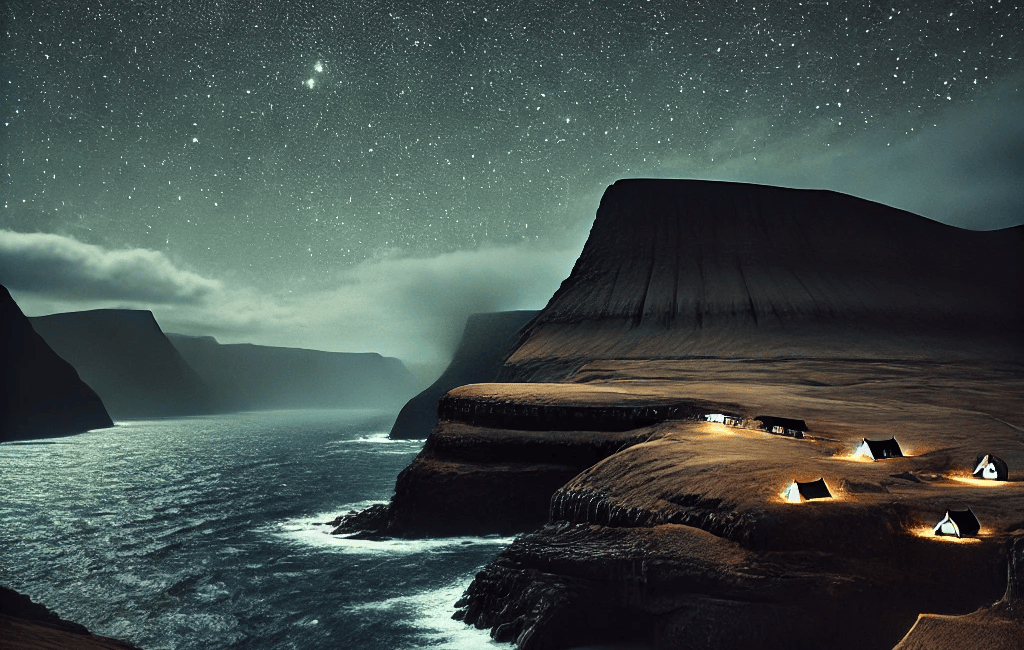
Nestled between Iceland and Norway in the North Atlantic Ocean, the Faroe Islands are a hidden treasure of breathtaking landscapes, rich culture, and unspoiled nature.
This autonomous territory of Denmark comprises 18 major islands connected by a network of roads, tunnels, and ferries.
In this comprehensive guide, we'll take you on a journey through the Faroe Islands' dramatic cliffs, picturesque villages, and unique traditions, providing you with all the information you need to plan an unforgettable adventure in this off-the-beaten-path destination.
Understanding the Faroe Islands: Geography and Climate
Location and Geography
The Faroe Islands are located approximately halfway between Norway and Iceland. Key geographic features include:
- Total Land Area: 1,399 square kilometers (540 square miles)
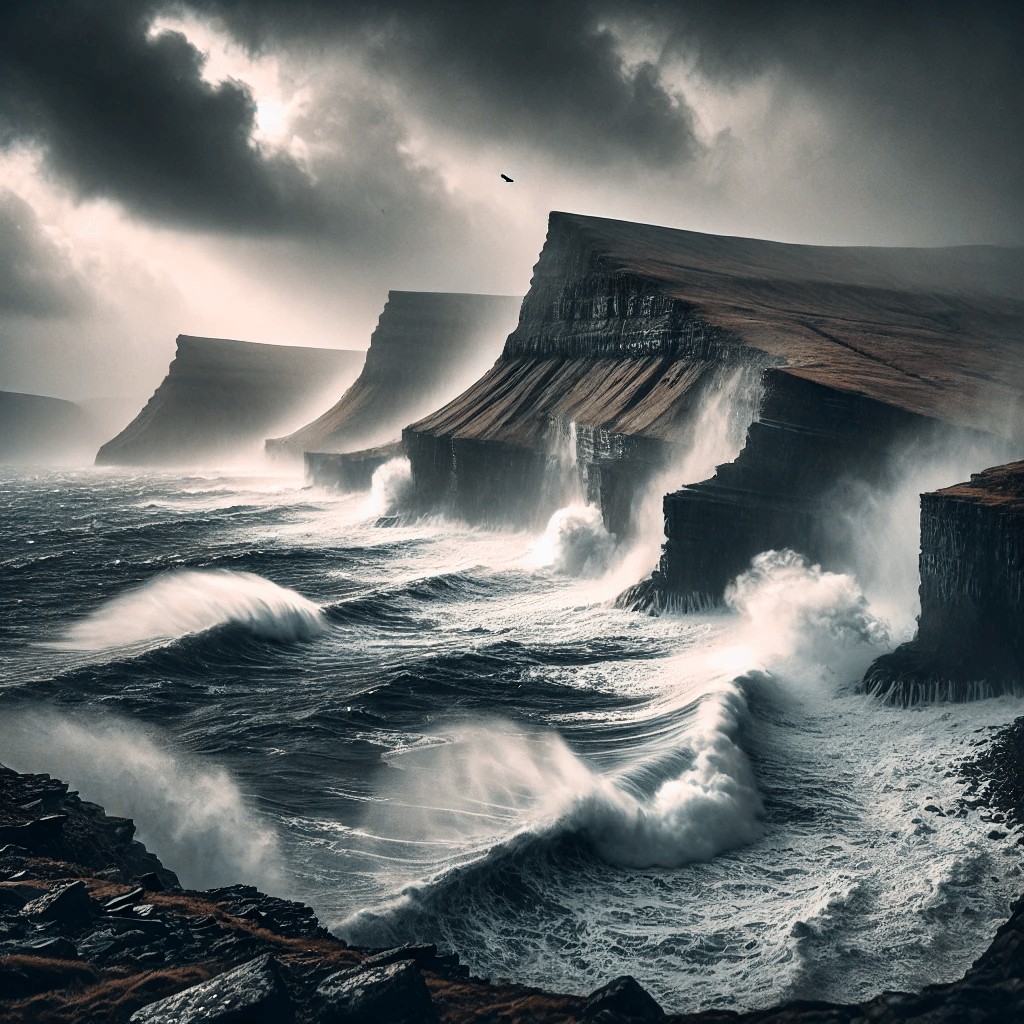
- Terrain: Rugged, with steep cliffs, green valleys, and numerous fjords
- Highest Point: Slættaratindur at 882 meters (2,894 feet)
- Number of Islands: 18 major islands, of which 17 are inhabited
Climate
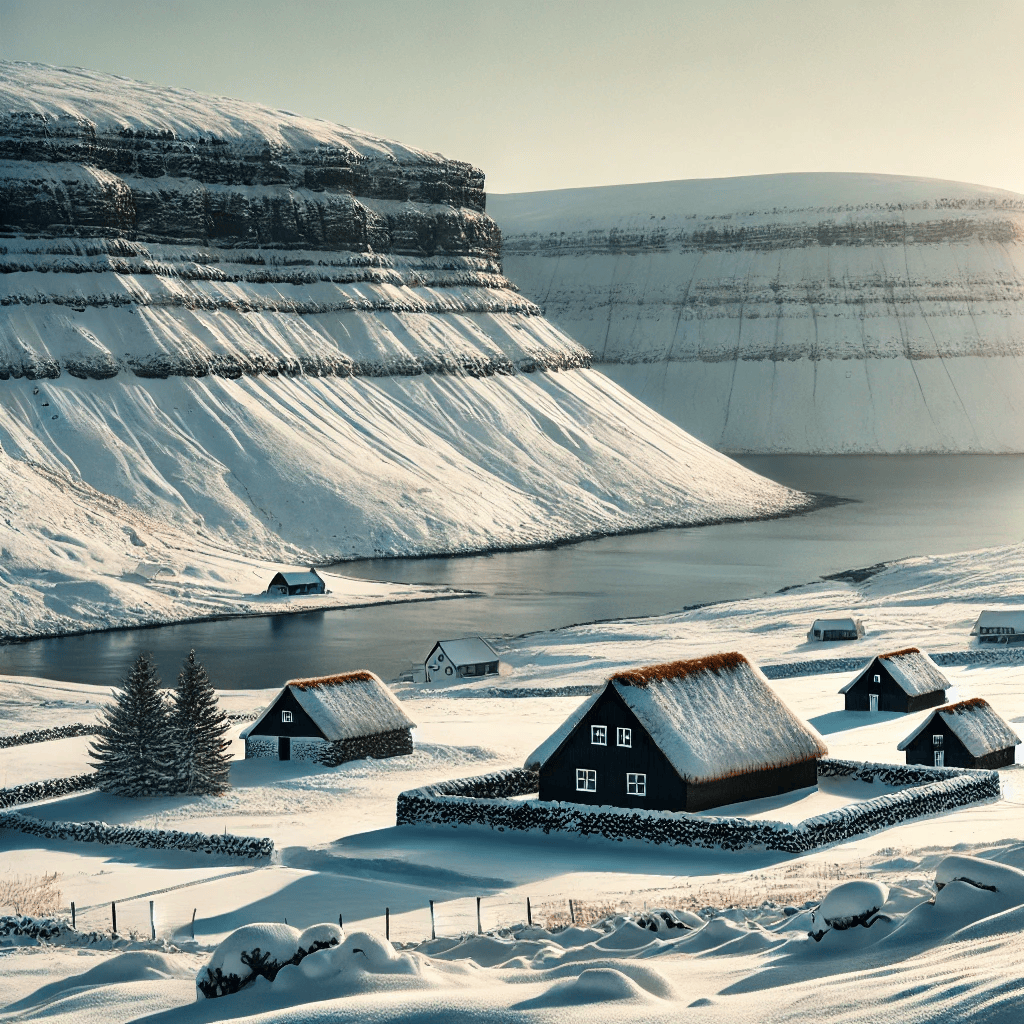
The Faroe Islands have a cool, subpolar oceanic climate characterized by mild winters and cool summers:
- Average Summer Temperature: 11°C (52°F)
- Average Winter Temperature: 3°C (37°F)
- Rainfall: Frequent, with an average of 210 rainy days per year
- Daylight: Long summer days (up to 19 hours in June) and short winter days (as little as 5 hours in December)
Insider Tip: The weather in the Faroe Islands can be unpredictable. It's common to experience "four seasons in one day," so always be prepared with layers and waterproof clothing.
Planning Your Visit
Best Times to Visit
The Faroe Islands can be visited year-round, but each season offers a unique experience:
- Summer (June to August):
- Pros: Longest daylight hours, milder temperatures, most tourist facilities open
- Cons: Busiest and most expensive season, need to book accommodations well in advance
- Spring (April to May) and Autumn (September to October):
- Pros: Fewer tourists, lower prices, beautiful landscapes with spring flowers or autumn colors
- Cons: Some tourist facilities may have limited hours, cooler temperatures
- Winter (November to March):
- Pros: Chance to see the Northern Lights, unique winter landscapes, lowest tourist numbers
- Cons: Short daylight hours, some roads may be closed due to weather, many tourist facilities closed
Insider Tip: If you're interested in bird watching, plan your visit for late spring or early summer when millions of seabirds nest on the islands' cliffs.
Getting There
Despite their remote location, the Faroe Islands are surprisingly accessible:
- By Air:
- The main airport is Vágar Airport (FAE)
- Atlantic Airways offers direct flights from several European cities, including Copenhagen, Edinburgh, and Reykjavik
- SAS also operates flights from Copenhagen
- By Sea:
- Smyril Line operates a ferry service from Hirtshals, Denmark, and Seyðisfjørður, Iceland
- The journey takes about 36 hours from Denmark and 19 hours from Iceland
Insider Tip: If you have the time, consider taking the ferry. It's a unique experience and allows you to bring a vehicle, which can be useful for exploring the islands.
Getting Around
The Faroe Islands have an excellent transportation infrastructure:
- Roads: Well-maintained and connect most parts of the islands
- Tunnels: Including sub-sea tunnels connecting major islands
- Ferries: Regular services between islands not connected by roads or tunnels
- Buses: Public buses connect most villages, though services can be infrequent
- Car Rental: Available at the airport and in Tórshavn, recommended for maximum flexibility
- Helicopter: Subsidized helicopter services operate to some of the more remote islands
Insider Tip: While it's possible to explore using public transportation, renting a car gives you the most freedom to explore at your own pace and reach more remote areas.
Must-See Destinations
Natural Wonders
- Múlafossur Waterfall, Gásadalur:
- Iconic waterfall plunging into the ocean
- Accessible via a newly built tunnel
- Best photographed during sunset
- Sørvágsvatn/Leitisvatn Lake:
- Optical illusion makes it appear to float above the ocean
- Stunning cliff views on a moderate 3-4 hour hike
- Kallur Lighthouse, Kalsoy:
- Dramatic cliffs and panoramic views
- Reached by ferry and a scenic hike
- Featured in James Bond film "No Time to Die"
- Gjógv Village:
- Picturesque village with a natural sea gorge
- Starting point for hikes to Slættaratindur, the highest mountain
Insider Tip: Many of these locations can be crowded during peak season. Visit early in the morning or late in the evening for a more tranquil experience and better lighting for photos.
Cultural Attractions
- Tórshavn:
- The capital city with colorful old town, Tinganes
- Visit the National Museum of the Faroe Islands
- Experience local cuisine at Barbara Fish House or Aarstova
- Kirkjubøur:
- Historical village with medieval ruins
- Home to the oldest still-inhabited wooden house in Europe
- Nólsoy:
- Car-free island with great hiking
- Home to the largest colony of storm petrels in the world
Unique Experiences
- Heimablídni (Home Hospitality): Dine in a local's home for an authentic Faroese meal
- Birdwatching: See puffins on Mykines island (accessible from May to August)
- Northern Lights: Possible to see from September to March on clear nights
- Music Festivals: Attend G! Festival in July or Summarfestivalurin in August
- Helicopter Rides: Take a subsidized helicopter flight for stunning aerial views
Insider Tip: Book Heimablídni experiences through Visit Faroe Islands for a truly memorable and authentic evening.
Practical Tips
- Weather Preparedness: Always carry waterproof clothing and layers
- Currency: Faroese Króna (DKK), but most places accept credit cards
- Language: Faroese is the official language, but English is widely spoken
- Tunnels: Some are single-lane; know the right-of-way rules
- Booking: Reserve accommodations and car rentals well in advance, especially in summer
- Dining: Restaurants can be expensive; consider self-catering options
Accommodation
The Faroe Islands offer a range of accommodation options:
- Hotels:
- Hotel Føroyar in Tórshavn - panoramic views of the city
- Hotel Havgrím - boutique hotel in a historic building
- Guesthouses:
- Gjaargardur Guesthouse in Gjógv - cozy rooms in a picturesque village
- Airbnb: Many options available, including traditional Faroese houses
- Camping: Several campsites available for those with tents or campervans
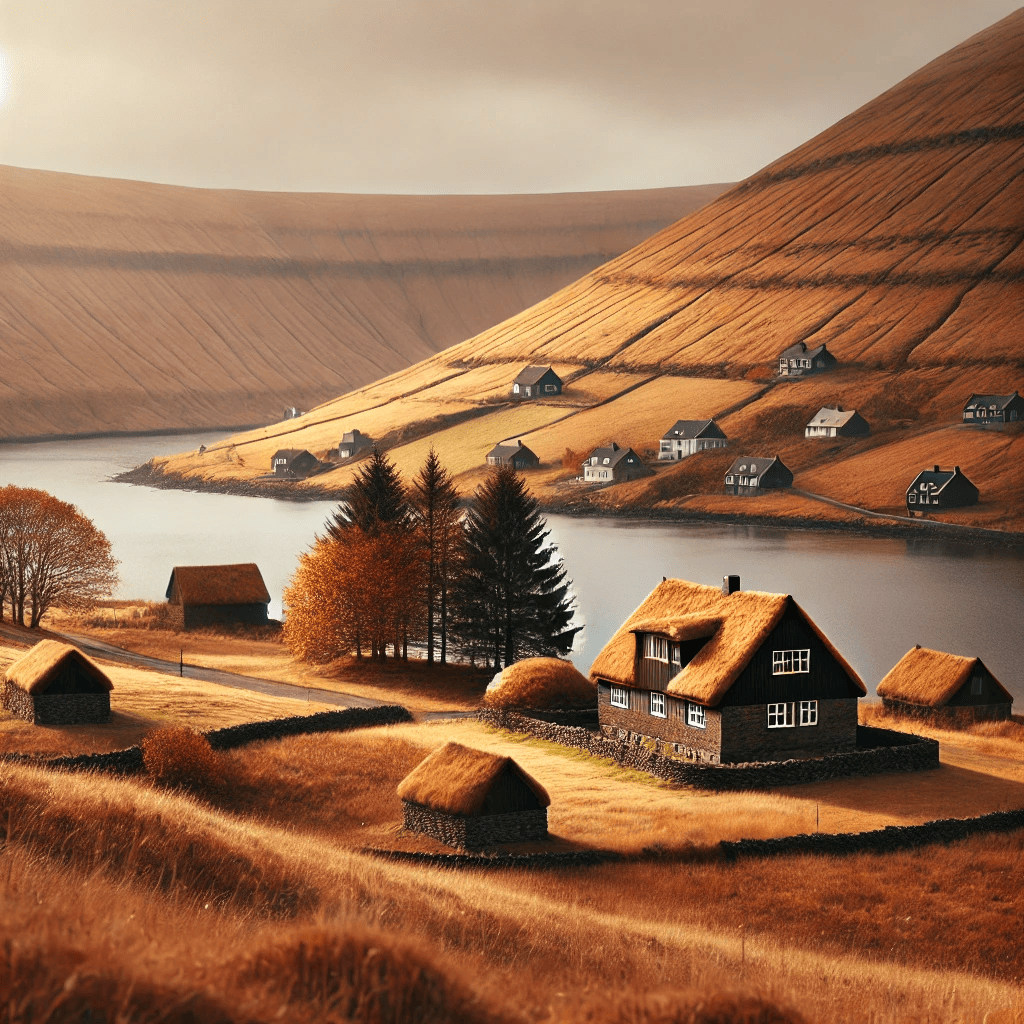
Insider Tip: For a unique experience, consider staying in a traditional Faroese house with a grass roof.
Environmental and Cultural Considerations
The Faroe Islands are committed to sustainable tourism:
- Follow Leave No Trace principles when hiking
- Respect local customs and private property
- Be mindful of wildlife, especially during breeding seasons
- Support local businesses and artisans
Note: The Faroe Islands practice traditional whale hunting (Grindadráp). This can be a sensitive topic for visitors.
Conclusion
The Faroe Islands offer a unique blend of breathtaking natural beauty, rich culture, and warm hospitality. Whether you're hiking along dramatic cliffs, exploring charming villages, or enjoying fresh seafood, the Faroes provide an unforgettable experience for those willing to venture off the beaten path.
Join the Conversation
Have you visited the Faroe Islands? Planning a trip? Share your experiences, tips, or questions in our Nordic adventures forum. Your insights could be invaluable to fellow travelers!
Don't forget to share your Faroe Islands photos on our community blog. Your snapshots might inspire someone else's journey to this hidden Nordic gem!
Remember, at Travel Trail, we believe that the best adventures are shared. So let's keep exploring, learning, and growing – together.

 (No votes yet)
 Loading...