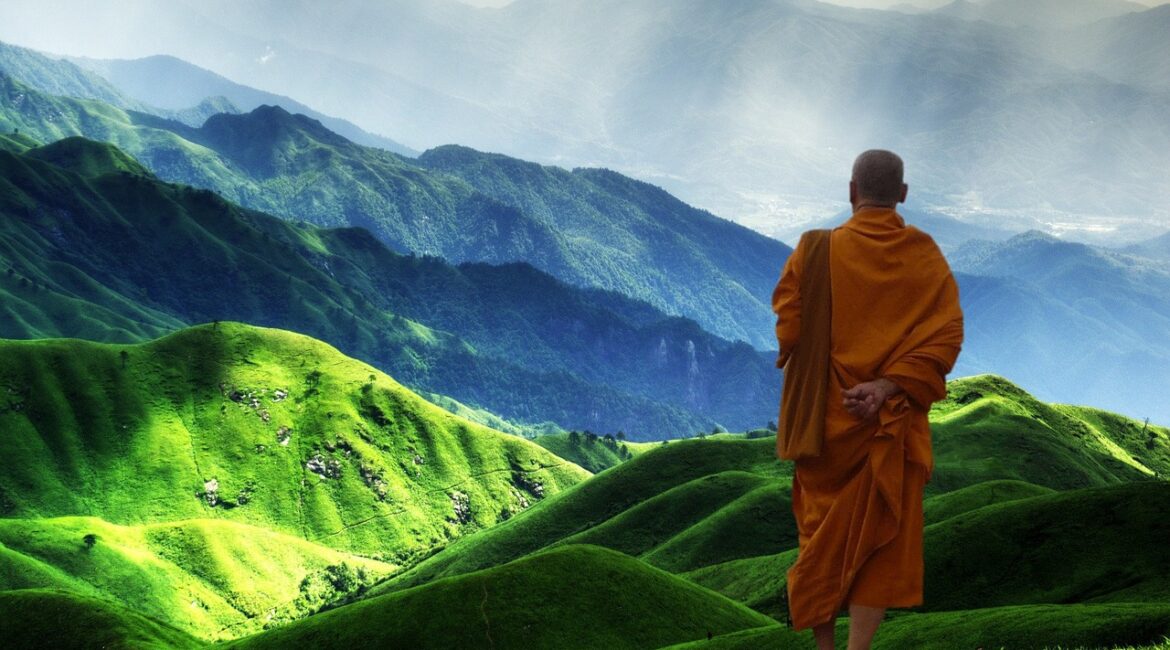
Hey, adventure seekers! Forget your tourist guidebooks and prepare for a journey that will literally take your breath away - and I mean literally, because we're heading to a place where oxygen is a luxury, not a given. Welcome to the most remote villages of Tibet, lost among the clouds.
Why This Place Will Change Your Perception of Travel
Imagine a place with no Instagram locations, where Google Maps shows a white spot, and local monks laugh when you ask about Wi-Fi. A place where yaks have more road rights than people, and breakfast might turn out to be as extreme an adventure as climbing a mountain peak.
When our jeep finally crawled into Dhong village after 12 hours of bouncing along "roads" that resembled goat paths more than actual roads, the first thing I heard was laughter. An old monk wrapped in red robes was cackling at our attempts to take our first steps at 4,500 meters. "Welcome to the roof of the world, you crazy people!" our guide shouted, translating the monk's words.
How to Reach the Roof of the World (And Stay Sane in the Process)
"You do realize this isn't a package tour to Turkey?" smiled Tenzin, the Tibet Vista manager, when I came to process my documents. And he was right.
Essential Documents
- Chinese visa ($120)
- Tibet Travel Permit
- Alien's Travel Permit for travels outside Lhasa
- Military Permit for border regions
- And most importantly - an official tour operator, as independent travel is forbidden
Verified Travel Agencies
- Tibet Vista - perfect for beginners, full service
- Explore Tibet - if you want to live with locals
- Wonders of Tibet - for those dreaming of the most remote corners
Path to the Clouds
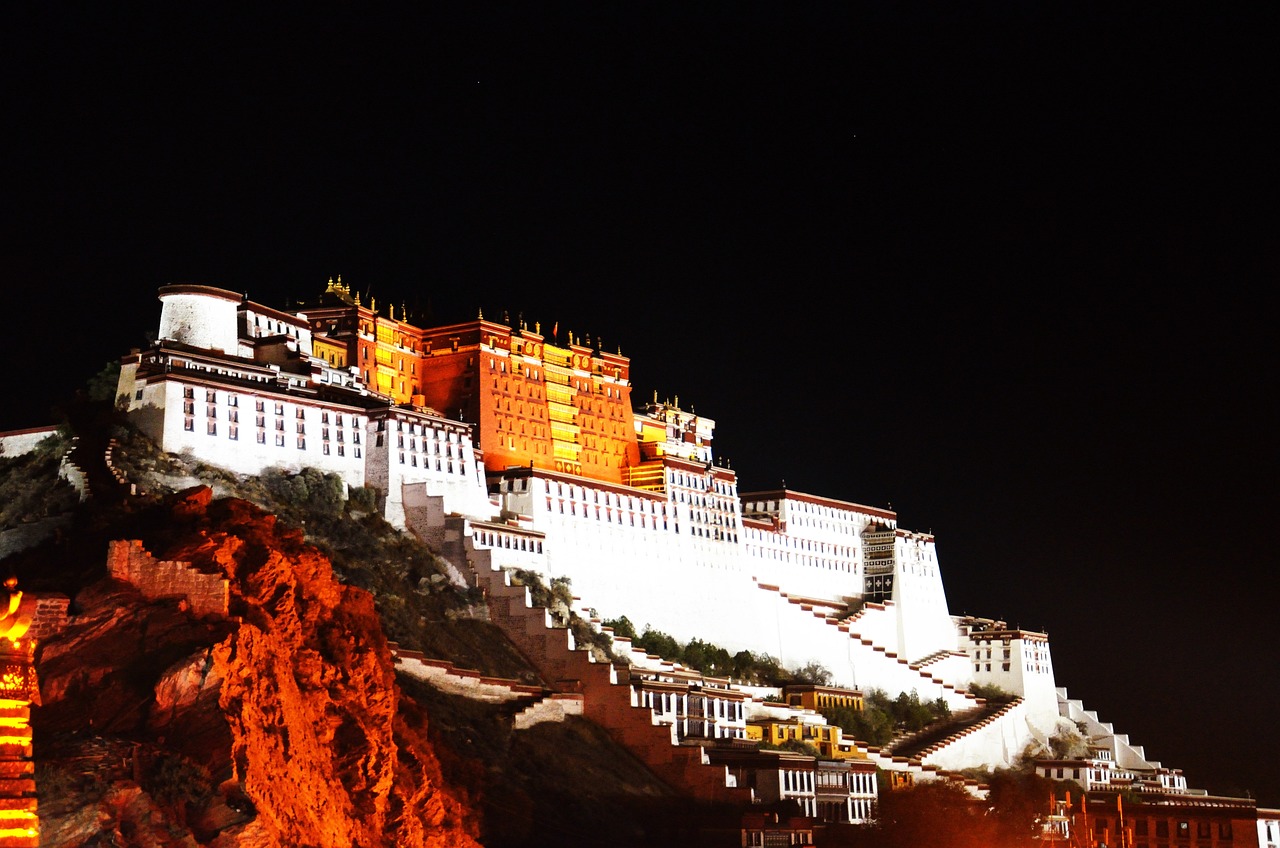
Getting to Lhasa
By Air:
- From Chengdu: Air China, Sichuan Airlines
- From Chongqing: Tibet Airlines
- From Xi'an: China Eastern
- From Beijing: Air China
By Train:
- Beijing to Lhasa: 40-44 hours
- Chengdu to Lhasa: 36 hours
- Xi'an to Lhasa: 32 hours
Pro tip: Choose the train if you have 40 hours to spare - it's the best way to acclimatize and watch the world transform outside your window. Plus, you'll meet fellow adventurers with the same crazy gleam in their eyes.
First Stop: Lhasa - Where Heaven Meets Earth
"No acclimatization in Lhasa means no further travel," our guide stated firmly. And he's right - you'll need at least three days here to adapt to the altitude of 3,650 meters.
Where to Stay:
- Shangri-La Lhasa ($200+)
- Oxygen stations in rooms
- Perfect for altitude concerns
- Central location
- Four Points by Sheraton ($120+)
- International standards
- 10 minutes from Jokhang Temple
-
Tashitakge Hotel ($50+)
- Authentic Tibetan atmosphere
- Favorite among experienced travelers
The Road to Nowhere (or Everywhere)
"These roads were made by yaks," jokes our driver as our Land Cruiser (the only transport that really works here, $150-180/day) bounces over another boulder. Ahead lies five days of travel through Tibet's most amazing villages.
Eastern Tibet Route:
- Lhasa → Tsethang → Basum-Tso
- 5-7 days of adventure
- Ancient monastery stays ($15-30/night)
- Sacred lakes and power places
Life at Altitude
Dingri (4,300m) - Last Stop Before Everest
"Butter tea?" offers a grandmother at the Snow Leopard Guest House ($20-25/night). Trust me, you can't refuse - and you won't want to when it's -15°C outside. This is your last outpost of civilization, complete with the final ATM you'll see before diving deeper into Tibetan wilderness.
Essential Tips:
- Cash is king here
- WeChat Pay works sporadically
- Stock up on supplies
- Check in with your guide about altitude symptoms
Stars You Can Almost Touch
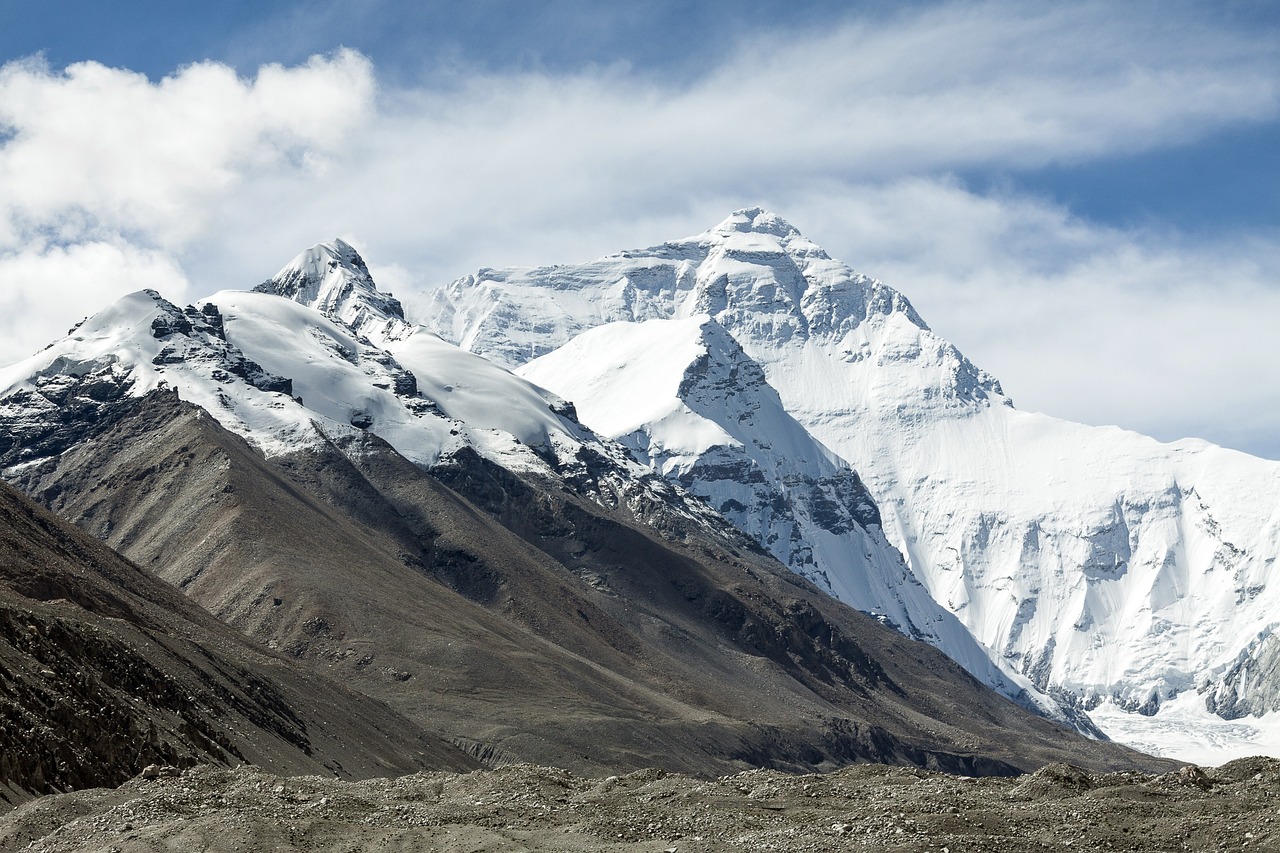
A night at Rongbuk Monastery is something special. At 5,000 meters, the stars seem so close you could reach out and pluck one from the sky. The monastery guesthouse ($25-35/night) offers basic conditions, but who thinks about comfort when you have a direct view of Everest's north face from your window?
Monastery Stay Tips:
- Bring your own sleeping bag
- Expect shared bathrooms
- No heating in rooms
- Traditional butter tea available (and recommended!)
Practical Matters (That No One Tells You About)
Best Time to Visit:
- April-May
- Most beautiful
- Rhododendrons in bloom
- But crowded
- September-October
- Perfect weather
- Clear skies
- Fewer tourists
- July-August
- Avoid: Roads become rivers
- Monsoon season
- December-February
- Only for the extremely adventurous
- Many roads closed
- Brutally cold
Safety First (Because Mom Worries):
Emergency Numbers That Actually Work:
- Police: 110
- Ambulance: 120
- Fire/Rescue: 119
Hospitals in Lhasa:
- Lhasa People's Hospital
- Tibet Autonomous Region People's Hospital
Staying Connected (Or Not):
- China Mobile works in unlikely places
- WeChat is your new best friend
- Download VPN before arrival
- Satellite phone for remote areas (rent from tour operator)
Budget (Or What Madness Costs)
"It's never cheap here, but it's always unforgettable," my guide once said. Here's what to expect:
- Permits and visa: ~$300
- Transport: $150-180/day with driver
- Guide: $30-50/day
- Accommodation: $15-200/night
- Food: $15-25/day
- Add 30% for unexpected expenses (trust me, you'll need it)
Essential Packing
- Solar power bank (electricity is a luxury)
- Water filter
- Altitude sickness medication
- Headlamp (nights are truly dark here)
- Patience. Lots of patience.
Epilogue
When you return home, they won't believe you. They won't believe that monks can laugh so infectiously, that butter tea can be delicious, and that places still exist where time is measured by sunrises and sunsets rather than smartphone notifications.
But you'll know. And that's enough.
P.S. If you're still wondering if it's worth it - it is. Tibetan villages change something inside you, something important. And when you return home, you'll be a slightly different person. Better? Maybe. More alive? Definitely.

 (No votes yet)
 Loading...