Introduction: A Natural Wonder in the Heart of the Andes
Nestled high in the Andes Mountains of southwest Bolivia, at an elevation of 3,656 meters (11,995 feet) above sea level, lies one of the world’s most extraordinary landscapes – Salar de Uyuni. This vast salt flat, spanning an incredible 10,582 square kilometers (4,086 square miles), is the largest of its kind on Earth and a testament to the raw beauty of our planet.
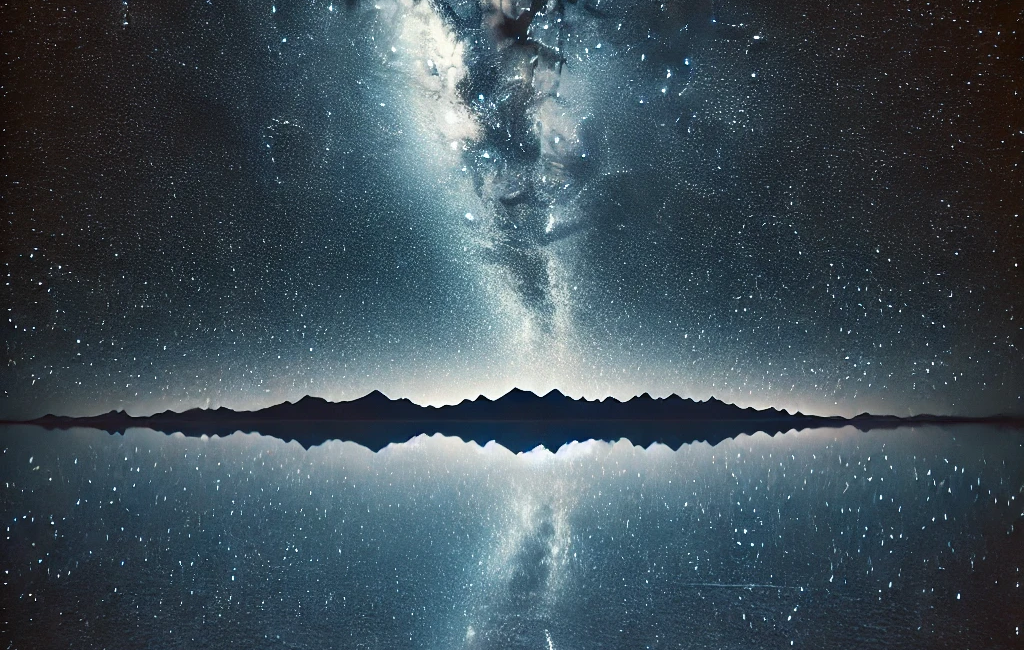
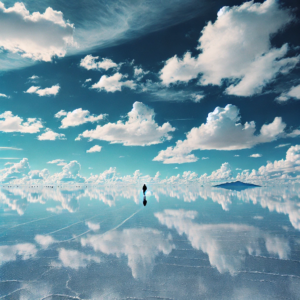
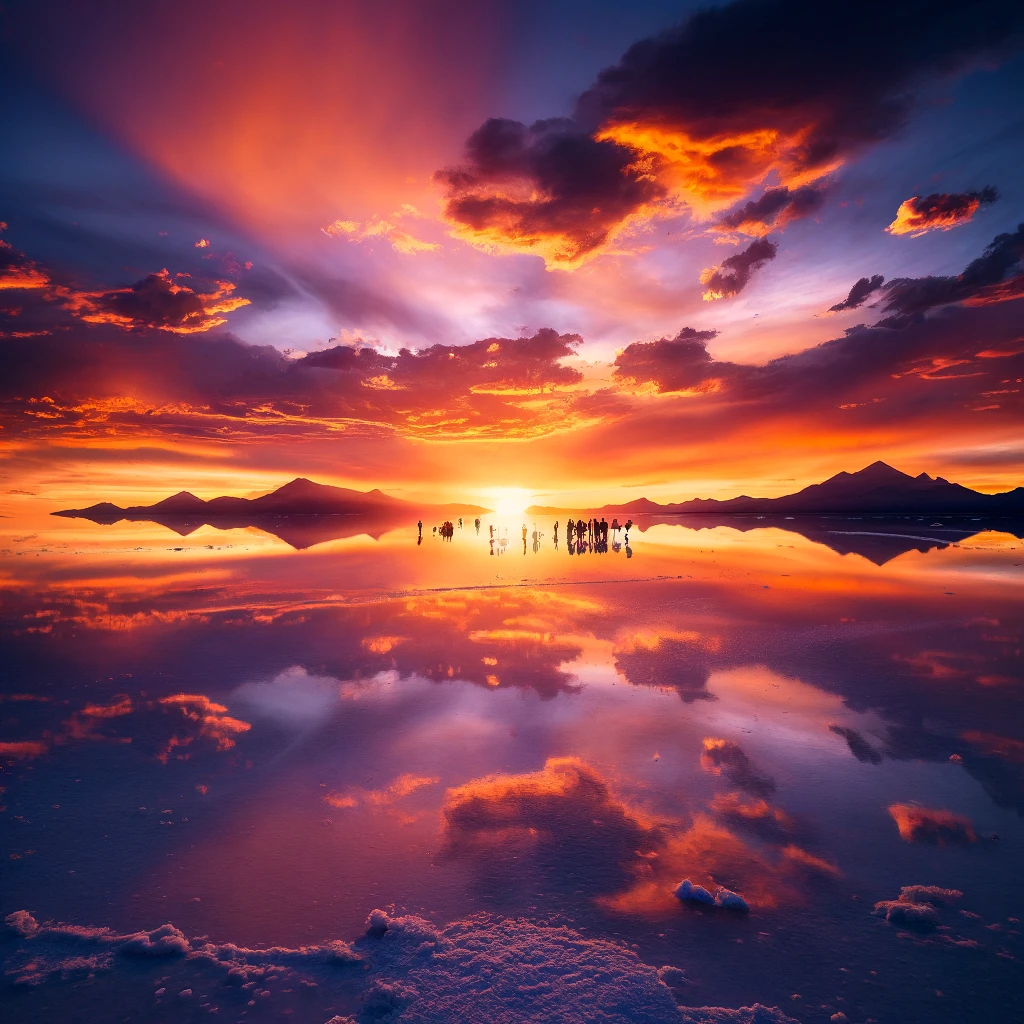
Imagine standing in the center of a seemingly endless white expanse, where the horizon blurs into a seamless merge of earth and sky. This is the reality of Salar de Uyuni, a place where perception plays tricks on the mind and the landscape transforms with the seasons. In the dry months, it’s a crisp white desert of hexagonal salt tiles stretching as far as the eye can see. During the wet season, it becomes the world’s largest mirror, reflecting the sky so perfectly that it seems to disappear altogether.
This guide will take you through everything you need to know about visiting this remarkable place, from its fascinating geological history to practical tips for making the most of your adventure.
Understanding Salar de Uyuni
The Geological Marvel
Salar de Uyuni isn’t just a pretty face – it’s a geological wonder with a fascinating history. About 40,000 years ago, this area was part of a giant prehistoric lake called Lake Minchin. As the lake dried up over millennia, it left behind two modern lakes, Poopó and Uru Uru, and two major salt deserts, Salar de Coipasa and our star, Salar de Uyuni.
What makes Salar de Uyuni truly unique is its extraordinary flatness. The average elevation varies less than one meter over its entire area, making it nature’s perfect calibration tool for satellites studying our planet from space!
The Salt Mining Industry
While we travelers come for the views, Salar de Uyuni is more than just a tourist destination. It’s an important source of salt and minerals, particularly lithium. In fact, it’s estimated that Salar de Uyuni contains 50-70% of the world’s lithium reserves.
Local salt miners still use traditional methods to extract the salt, scraping it into mounds, letting it dry, then transporting it for processing. It’s a tough job that has been a way of life here for generations.
Planning Your Trip
When to Go: The Seasons of Salar
Choosing when to visit can dramatically change your experience. Here’s a breakdown:
- Dry Season (May to November)
- Pros: Easier to traverse the flats, ideal for perspective photos.
- Cons: No mirror effect, can be very cold at night.
- Wet Season (December to April)
- Pros: The stunning mirror effect, warmer temperatures.
- Cons: Some areas may be inaccessible, higher chance of tour cancellations.
- Shoulder Seasons (April-May and November-December)
- Pros: Possibility of experiencing both dry flats and some water, fewer tourists.
- Cons: Weather can be unpredictable.
Many travelers report that late April is an ideal time to visit, as you might experience both dry areas for walking and driving, and pockets of water for reflections.
Getting There: The Journey is Part of the Adventure
Most travelers start their journey to Salar de Uyuni from La Paz, Bolivia’s administrative capital. Here are your main options:
- Fly to Uyuni
- Fastest option (1 hour flight)
- More expensive
- Book in advance, especially in peak season
- Airlines: Boliviana de Aviación (BoA) offer regular flights
- Take a Bus
- Cheapest option
- Long journey (10-12 hours)
- Can be uncomfortable, but a great way to see the countryside
- Companies: Todo Turismo and Trans Omar offer overnight buses
- Book a Tour from La Paz
- Combines transport with a guided experience
- Usually includes stops at other attractions along the way
- Many tour operators offer this option, including Kanoo Tours
Choosing Your Tour
Types of Tours
- Day Trip: Good if you’re extremely short on time, but you’ll miss out on a lot.
- 2-Day Tour: Allows you to see the salt flats and a few surrounding attractions.
- 3-Day Tour: The most popular option, giving you a comprehensive experience.
- 4-Day+ Tours: For those who want to explore the region in depth.
What to Look For in a Tour Operator
- Safety Record: This should be your top priority. Check reviews carefully.
- Group Size: Smaller groups usually mean a more personalized experience.
- Included Meals and Accommodation: Especially important for multi-day tours.
- English-Speaking Guide: If you’re not fluent in Spanish, this is crucial.
- Itinerary: Make sure it covers the sights you’re most interested in.
Recommended Tour Operators
Based on consistently positive traveler reviews, here are some reputable tour operators:
- Red Planet Expeditions
- Known for their knowledgeable guides and comfortable vehicles
- Offer a range of tour options from 1 to 4 days
- Salty Desert Aventours
- Highly rated for their eco-friendly approach and excellent service
- Specialize in photography tours
- Quechua Connection
- Praised for their cultural sensitivity and support of local communities
- Offer unique combo tours including Salar de Uyuni and Machu Picchu
Remember to read recent reviews and compare offerings before booking.
Must-See Sights Beyond the Salt
While the salt flat itself is the main attraction, the surrounding area is packed with incredible sights. Here are some you shouldn’t miss:
- Incahuasi Island: An island of giant cacti in the middle of the salt flat. It’s surreal and beautiful.
- Tunupa Volcano: On clear days, you can see this dormant volcano from the flats. Some tours include a visit to its base.
- Train Cemetery: Just outside Uyuni town, this collection of abandoned 19th-century steam engines is hauntingly beautiful.
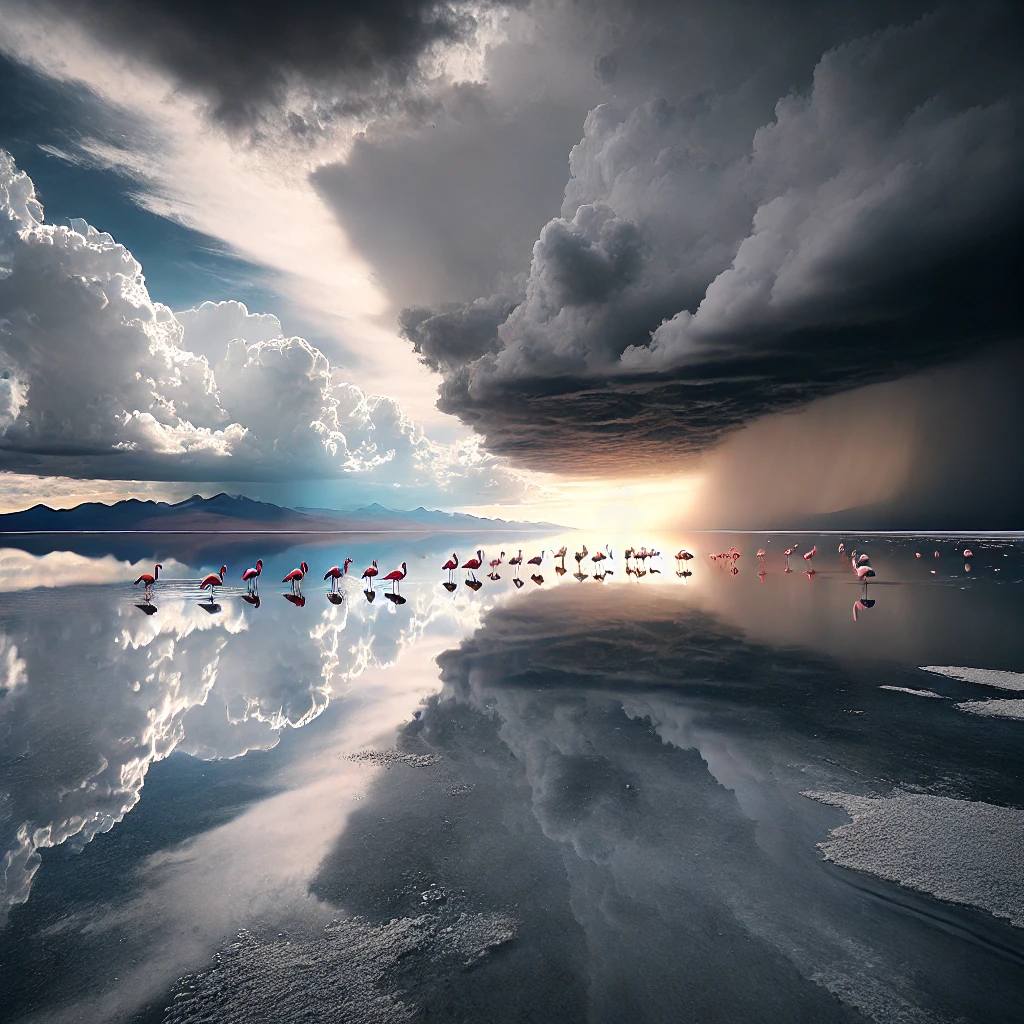
- Colored Lagoons: Red, green, and white lagoons dot the landscape south of the flats. The red lagoon, Laguna Colorada, gets its color from red algae and is home to thousands of flamingos.
- Sol de Mañana Geysers: These boiling mud pots and steam pools are an otherworldly sight, especially at sunrise.
- Polques Hot Springs: After days on the salt, a dip in these natural hot springs is heavenly.
Hidden Gems
While the above sights are included in most tours, there are some lesser-known spots that are worth seeking out:
- Galaxia Cave: A small cave near the Polques Hot Springs with incredible rock formations that look like a spiral galaxy. Not all tours go here, so ask your guide if it’s possible to include it.
- Llama Caravans: In the small village of Colchani, you might spot traditional llama caravans transporting salt blocks. It’s a glimpse into an ancient way of life that still continues today.
- Chiquini Cave: This lava tube cave contains fascinating rock formations and provides a cool respite from the sun. Some specialized speleology tours include a visit here.
- Coquesa Mummies: On the slopes of Tunupa Volcano, you can find ancient Incan mummies preserved by the dry, salty air. It’s a haunting reminder of the area’s rich history.
- Sajama National Park: While not part of standard Salar tours, this nearby national park offers stunning views of Bolivia’s highest peak and is home to rare wildlife like vicuñas and flamingos.
Accommodation Options In Uyuni Town
- Hotel de Sal Luna Salada
- Made entirely of salt blocks
- Offers stunning views of the Salar
- Palacio de Sal
- Another salt hotel with unique architecture
- Features a spa and salt cave
- Hotel Jardines de Uyuni
- More budget-friendly option in Uyuni town
- Clean, comfortable rooms with good amenities
Practical Tips for Your Salar Adventure
What to Pack
- Layers: Temperatures can swing wildly. Nighttime temperatures can drop to -15°C (5°F), while daytime temperatures can reach 25°C (77°F).
- Sun Protection: The sun’s reflection off the salt is intense. Bring high SPF sunscreen, a hat, and good sunglasses.
- Waterproof Shoes: Essential in the wet season, useful in the dry season too.
- Camera Gear: Extra batteries, memory cards, and a tripod for night photography.
- Snacks and Water: While tours provide meals, having extra snacks is always a good idea.
Photography Tips
- Perspective Shots: Bring small props (toy dinosaurs are popular) for fun forced perspective photos.
- Night Photography: The star-gazing here is incredible. Learn some basic night photography techniques before you go.
- Protect Your Gear: The salt can damage your equipment. Bring protective covers for your camera.
For the best mirror effect photos in the wet season, look for areas with just a thin layer of water – about 1-2 cm deep. Too much water and you’ll lose the reflection.
Health and Safety
- Altitude Sickness: Uyuni sits at about 3,656 meters (11,995 ft) above sea level. Take time to acclimatize and consider altitude sickness medication.
- Stay Hydrated: The dry air and altitude can dehydrate you quickly.
- Respect the Environment: The salt flat ecosystem is fragile. Stay on designated paths and don’t leave anything behind.
Beyond Tourism: The Environmental and Cultural Impact
Environmental Concerns
While tourism brings much-needed income to the region, it also poses challenges. The increase in visitors has led to concerns about waste management and damage to the salt crust. Some tour operators, like Salty Desert Aventours, now offer eco-friendly tours that focus on minimizing environmental impact.
The Local Community
The indigenous Aymara people have lived in this region for centuries. Tourism has changed their way of life, for better and worse. Many now work in the tourism industry, but there are concerns about preserving traditional culture.
If you’re interested in learning more about the local culture, consider booking a tour with a company like Quechua Connection 4wd, which emphasizes cultural exchange and supporting local communities.
Conclusion: More Than Just a Pretty Picture
Salar de Uyuni is one of those rare places that lives up to the hype – and then surpasses it. It’s not just about getting that perfect photo (although you certainly will). It’s about experiencing a landscape so unique, so vast, and so beautiful that it changes the way you see the world.
But remember, with great beauty comes great responsibility. As visitors, it’s our duty to protect this incredible place for future generations. Travel responsibly, respect the local culture, and leave nothing but footprints.
Join the Conversation
Have you been to Salar de Uyuni? Planning a trip? We’d love to hear about your experiences or answer any questions you might have. Share your stories, tips, or concerns in our South American adventures forum.
And if you’ve got some epic Salar de Uyuni photos, don’t keep them to yourself! Share them on our community blog – you might just inspire someone else’s adventure of a lifetime.
Remember, at Travel Trail, we believe that the best adventures are shared. So let’s keep exploring, learning, and growing – together.

 (No votes yet)
 Loading...